
A turkey brine is the difference between turkey people politely eat and turkey people go back for. Salt, a little seasoning, and a day in the fridge season the bird all the way through and help it hold onto its juices in the oven, so even the breast comes out moist. There are two ways to do it: a wet brine soaks the turkey in seasoned salt water for 12 to 24 hours and gives you the juiciest meat and the best drippings; a dry brine rubs salt and spices straight onto the skin for one to three days, needs no bucket or cooler, and gives you crispier skin. Both are below, with the amounts for your size of bird.
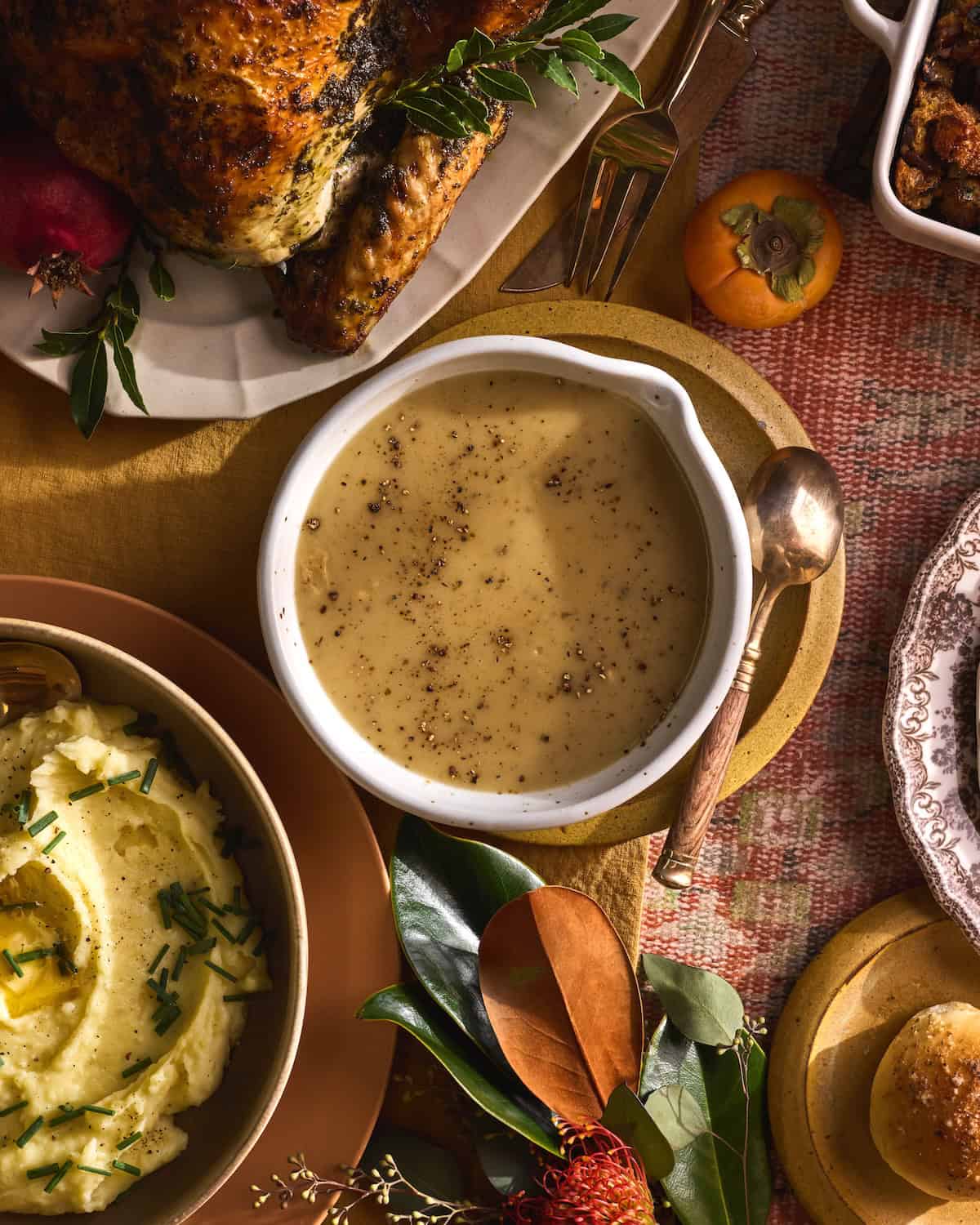
I've brined every Thanksgiving turkey I've cooked for the last decade, usually starting Tuesday night with a bird that's still half frozen, and it is the one step I will never skip partly for the turkey, mostly for the gravy, because brined drippings make the best homemade turkey gravy you will ever pour. Pick the method that fits your fridge, then roast it my way with the herb roasted turkey.

Easy and Delicious Turkey Brine at a Glance
- 🕒 Prep Time: 15 minutes, plus brining time
- ⏱️ Brining Time: Wet brine: 12–24 hours; dry brine: 24–72 hours
- 👪 Servings: 10 people, using a 14–18-pound turkey
- 🍗 Cuisine Type: American / Thanksgiving
- 🧂 Flavor Profile: Savory and aromatic with herbs, garlic, and warm spices. The wet brine also includes brown sugar and red pepper flakes.
- 📖 Dietary Info: Made without dairy or gluten-containing grains. Check packaged seasonings for allergens.
- ❄️ Storage Notes: Keep the turkey refrigerated at 40°F or below throughout brining. Use a food-safe container for wet brining or a rimmed baking sheet and rack for dry brining.
- ⭐ Why You'll Love It: Two easy methods for making a juicy, flavorful Thanksgiving turkey, whether you prefer a classic wet brine or the simplicity of a dry brine.
Summarize and save this content on
Jump to:
- Easy and Delicious Turkey Brine at a Glance
- Why I Love This Recipe
- Ingredients
- Wet Brine vs. Dry Brine: Which Should You Choose?
- How to Dry Brine a Turkey
- How to Wet Brine a Turkey:
- How Long to Brine a Turkey
- Gaby's Tips & Tricks for the Best Turkey Brine
- Turkey Brine FAQs
- More Thanksgiving Turkey Recipes
- Easy Turkey Brine Recipe (Wet Brine or Dry Brine)
Why I Love This Recipe
Here's the deal: if you've never used a brined turkey for your Thanksgiving feast you're missing out. Here's a step-by-step guide for an easy turkey brine recipe to get the most delicious, juicy turkey you'll ever eat! A turkey that will go perfectly with The BEST Mascarpone Mashed Potatoes Recipe, Wild Mushroom Stuffing, and, in my opinion, the best dessert out there: my famous Classic Italian Tiramisu.
If this is your first year in the brine world, prepare for your life to change. It’s everything, and this year’s recipe is beyond. It’s loaded with all sorts of aromatics that will infuse the bird with even more flavor. Side note: this works beautifully on a Turkey Breast if you're feeding a smaller crowd this year!
Ingredients
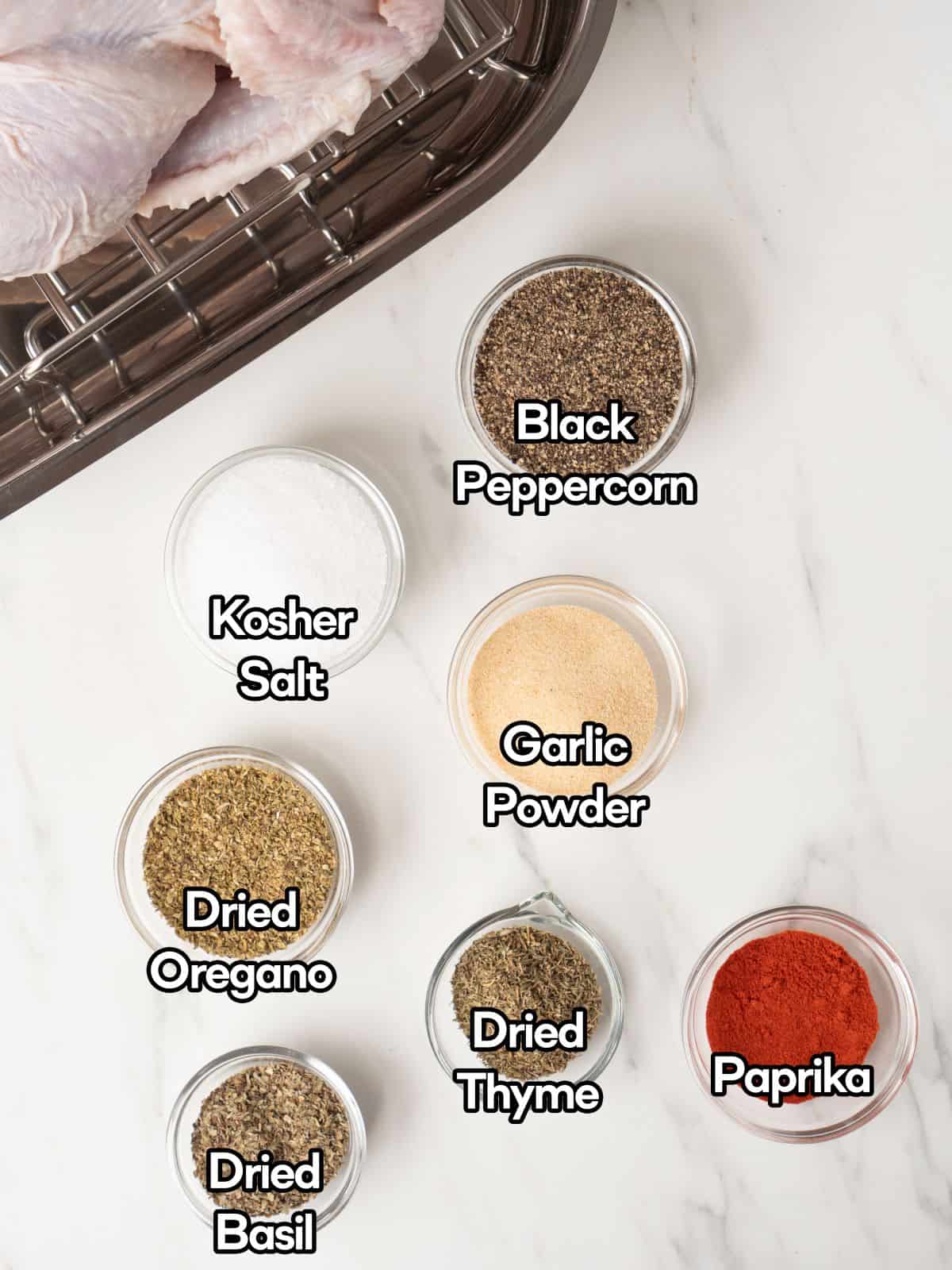
For the Wet Brine
- Water divided
- Kosher Salt
- Dark Brown Sugar
- Red Pepper Flakes
- Dried Sage
- Fresh Thyme
- Garlic
- Turkey cleaned, innards removed
For the Dry Brine
- Kosher Salt
- Black peppercorns, freshly cracked
- Dried Oregano
- Garlic Powder
- Dried Basil
- Dried Thyme
- Paprika
- Alternatively, you can use Gaby's Everyday and skip buying everything else other than the salt.
Wet Brine vs. Dry Brine: Which Should You Choose?
Both methods make a delicious Thanksgiving turkey, so it really comes down to how much refrigerator space you have and how far ahead you're planning. I love a wet brine, but if you don't want to deal with a giant container of liquid in your fridge, dry brining is an excellent option!
| Wet Brine | Dry Brine | |
|---|---|---|
| Method | Soak the turkey in seasoned salt water. | Rub salt and seasonings directly onto the turkey. |
| Timing | 12–24 hours. | 24–72 hours. |
| Equipment | Large food-safe container and refrigerator space. | Wire rack, rimmed baking sheet, and refrigerator space. |
| Skin | Benefits from drying before roasting. | Generally easier to achieve crispy skin. |
| Convenience | Requires more equipment and cleanup. | No brining liquid or oversized container. |
| Best For | Anyone who prefers a classic liquid brine. | Anyone looking for a simpler, less messy method. |
How to Dry Brine a Turkey

Step 1: Combine all the seasonings together (or use Dalkin&Co's Gabys Everyday). Set a wire cooling rack on a baking sheet and place the turkey on the rack.

Step 2: Rub ½ cup of the dry brine on the back side of the turkey

Step 3: Rub ½ cup on the legs and 1 cup on the breast.

Step 4: Transfer the turkey, uncovered, to the fridge and refrigerate for at least 24 hours and up to 72 hours.
How to Wet Brine a Turkey:
During the brining process, you soak the turkey in a salt and water mixture (with other aromatics if you want to get jazzy), and the turkey absorbs that extra moisture from the liquid. (Note: you'll need a large vessel to store the turkey and liquid in) This process helps it stay moist and juicy during cooking! Which then means it's still moist and juicy once you carve it and serve.
Brining also helps season the turkey from the inside out, so no matter what piece you get, it'll be delicious! If you don’t have room for the large vessel as mentioned above, a dry brine is the easier way to go.
For Thanksgiving on Thursday, I like to start my wet brine Wednesday morning so the turkey has plenty of time to soak up all that flavor. If you're dry brining, Tuesday is a great time to get started! I highly recommend kosher salt; if you're using Morton instead of Diamond Crystal, use a third less.
How Long to Brine a Turkey
Allow plenty of time for the flavors to work their magic. And trust me, it's worth planning ahead! Timing is everything when it comes to brining your Thanksgiving turkey, and the amount of time depends on which method you're using.
- Wet Brine: Refrigerate the turkey in the brine for 12–24 hours. Once it's finished, remove it from the liquid, discard the brine, and pat the turkey dry.
- Dry Brine: Refrigerate the seasoned turkey, uncovered, for at least 24 hours and up to 72 hours. Brush off excess seasoning and pat dry before roasting.

Gaby's Tips & Tricks for the Best Turkey Brine
🧂 Choose the Right Brine
- Wet brine for a classic approach. The turkey soaks in a seasoned saltwater mixture with herbs, garlic, and aromatics. You'll need a large food-safe container and enough refrigerator space for the turkey and liquid.
- Dry brine for simplicity. Rub the seasoning mixture directly onto the turkey and refrigerate it on a rack set over a rimmed baking sheet. No bucket of liquid required!
- Check the turkey packaging. Avoid adding a full brine to a turkey labeled enhanced, self-basting, or pre-brined. Those birds may already contain added salt.
📏 Salt and Timing Matter
- Follow the recipe's salt measurements. Wet and dry brines use different amounts of salt, and kosher salt brands vary in density. Stick with the measurements in the recipe card rather than relying on a general salt-to-weight ratio.
- Plan ahead. Wet brining takes 12–24 hours, while dry brining takes 24–72 hours. Both methods need refrigerator space, so make room before you start.
- Be mindful of extra salt. The brine has already seasoned the turkey, so taste the pan drippings before adding more salt to your gravy.
❄️ Keep Everything Cold and Safe
- Keep the turkey cold. Refrigerate throughout brining at 40°F or below. If using a cooler, monitor the temperature carefully and maintain it with sufficient ice.
- Use a food-safe container. For wet brining, choose a container large enough to hold the turkey and brine while keeping the bird fully submerged.
- Don't rinse your turkey. Rinsing raw poultry can spread bacteria around your kitchen. Pat the turkey dry with paper towels instead.
🍗 After Brining
- Pat the turkey dry. Remove the turkey from the wet brine or brush off excess dry-brine seasoning, then pat it dry before roasting.
- Give the skin time to dry. If possible, refrigerate the turkey uncovered for a few hours after wet brining to help the skin crisp up in the oven.
- Add your favorite aromatics. Fresh herbs, garlic, and citrus are great additions before roasting. Butter or olive oil can also help create a beautifully golden finish.
- Save those drippings! They make an incredible base for Thanksgiving gravy. Taste before adding more salt, since brined turkey drippings can be salty.
- Rest before carving. Give the roasted turkey time to rest so the juices redistribute before serving.
Turkey Brine FAQs
Brining seasons the turkey and helps it retain moisture during roasting. Turkey breast is especially lean, so brining is one of my favorite ways to keep Thanksgiving turkey juicy and flavorful.
Wet brining means soaking the turkey in a seasoned saltwater mixture for 12–24 hours. Dry brining means rubbing salt and seasonings directly onto the turkey and refrigerating it for 24–72 hours. Both season the bird, but dry brining requires less equipment and generally makes it easier to achieve crispy skin.
A partially frozen turkey can continue thawing in the refrigerator during brining, provided it stays at 40°F or below. Plan for adequate thawing time and follow the recipe's brining instructions. Never thaw or brine a turkey at room temperature.
I recommend starting with a plain turkey that hasn't been enhanced or pre-brined. Self-basting and enhanced turkeys often contain added salt, so brining them again can make the finished turkey too salty.
No! There's no need to rinse a turkey after brining. Rinsing raw poultry can spread bacteria around your kitchen. Instead, pat the turkey dry with paper towels before roasting.
Remove the turkey from the wet brine or brush off excess dry-brine seasoning, pat it dry, and prepare it for roasting. Add herbs, aromatics, or butter as desired, but be mindful of adding extra salt. Roast according to your turkey recipe and let it rest before carving.


So all that's left is to decide if you're going wet or dry turkey brine. If wet: grab a large vessel that will fit 1: the liquid brine mixture, 2: the bird, and 3: will fit into your fridge. If you have an extra fridge in your garage, that's the perfect place to store this, as it won't be in your way when you're stocking your fridge with the rest of the Thanksgiving ingredients.
If you choose the dry brine: combine all the seasonings and slather the bird with the herbs. Then let it take a chill in the fridge for 24-72 hours.
Get ready, guys… THANKSGIVING this year is going to be mega delish.
PS – Check out the full What’s Gaby Cooking Thanksgiving menu here along with the Thanksgiving master prep schedule to keep things organized and on track!
And if you need more Thanksgiving ideas, check out this roundup of 80+ Easy and Delicious Thanksgiving Recipes and Ideas
More Thanksgiving Turkey Recipes


If you tried this recipe, please leave a 🌟 star rating and let me know how it goes in the 📝 comments below. Thanks for visiting today

Easy Turkey Brine Recipe (Wet Brine or Dry Brine)
Ingredients
For the Wet Brine
- 16 cups water divided
- ½ cup kosher salt
- ½ cup dark brown sugar
- 1 tablespoon dried red pepper flakes
- 1 tablespoon dried sage
- 1 bunch fresh thyme
- 2 heads garlic sliced in half
- 14 to 18- pound turkey cleaned, innards removed
For the Dry Brine
- 8 tablespoons kosher salt
- 4-8 tablespoons freshly cracked black peppercorns
- 4 tablespoons dried oregano
- 4 tablespoons garlic powder
- 3 tablespoons dried basil
- 2 tablespoons dried thyme
- 2 tablespoons paprika
Instructions
For the Wet Brine
- Combine 8 cups of water, salt, dark brown sugar, red pepper flakes, sage, thyme, and garlic in a large pot and place over medium-high heat. Bring to a boil, lower the heat, and simmer for 5 minutes, until everything is evenly combined and the sugar is dissolved. Remove from heat and allow to cool. Stir in remaining water and cool completely.
- Pour the brine into a container just large enough to hold the turkey comfortably. Add the turkey, adding more water if needed to cover the bird entirely. Turn the bird a few times, then leave breast-side down in the water. Refrigerate for 12–24 hours. Discard the brine after removing the turkey, and pat the turkey dry before roasting.
For the Dry Brine
- Combine all the seasonings together. Set a wire cooling rack on a baking sheet and place the turkey on the rack. Rub ½ cup of the dry brine on the back side of the turkey, ½ cup on the legs, and 1 cup on the breast. Transfer the turkey, uncovered, to the fridge and refrigerate for at least 24 hours and up to 72 hours.
- After the brine period, brush off all the dry brine and discard it. Let the bird sit naked in the fridge for 4 hours, if possible, to dry out, or pat the bird dry and proceed with my Herb Roasted Turkey recipe. Remove any excess dry brine that is in the bottom of the roasting pan so your gravy isn't too salty before roasting.
Notes
🧂 Choose the Right Brine
- Wet brine for a classic approach. The turkey soaks in a seasoned saltwater mixture with herbs, garlic, and aromatics. You'll need a large food-safe container and enough refrigerator space for the turkey and liquid.
- Dry brine for simplicity. Rub the seasoning mixture directly onto the turkey and refrigerate it on a rack set over a rimmed baking sheet. No bucket of liquid required!
- Check the turkey packaging. Avoid adding a full brine to a turkey labeled enhanced, self-basting, or pre-brined. Those birds may already contain added salt.
📏 Salt and Timing Matter
- Follow the recipe's salt measurements. Wet and dry brines use different amounts of salt, and kosher salt brands vary in density. Stick with the measurements in the recipe card rather than relying on a general salt-to-weight ratio.
- Plan ahead. Wet brining takes 12–24 hours, while dry brining takes 24–72 hours. Both methods need refrigerator space, so make room before you start.
- Be mindful of extra salt. The brine has already seasoned the turkey, so taste the pan drippings before adding more salt to your gravy.
❄️ Keep Everything Cold and Safe
- Keep the turkey cold. Refrigerate throughout brining at 40°F or below. If using a cooler, monitor the temperature carefully and maintain it with sufficient ice.
- Use a food-safe container. For wet brining, choose a container large enough to hold the turkey and brine while keeping the bird fully submerged.
- Don't rinse your turkey. Rinsing raw poultry can spread bacteria around your kitchen. Pat the turkey dry with paper towels instead.
🍗 After Brining
- Pat the turkey dry. Remove the turkey from the wet brine or brush off excess dry-brine seasoning, then pat it dry before roasting.
- Give the skin time to dry. If possible, refrigerate the turkey uncovered for a few hours after wet brining to help the skin crisp up in the oven.
- Add your favorite aromatics. Fresh herbs, garlic, and citrus are great additions before roasting. Butter or olive oil can also help create a beautifully golden finish.
- Save those drippings! They make an incredible base for Thanksgiving gravy. Taste before adding more salt, since brined turkey drippings can be salty.
- Rest before carving. Give the roasted turkey time to rest so the juices redistribute before serving.
Nutrition Information (estimated)
Photo by Matt Armendariz / Food Styling by Adam Pearson / Recipe from What’s Gaby Cooking











I have a 13 lb young turkey that says “seasoned, butter infused”. Is that the type that f turkey that shouldn’t be brined?
I have never seen that type of label to be totally honest!
This is my second year doing Gaby’s dry brine and let me tell you EVERYONE loves the turkey!! It’s shocking how it’s become everyone’s favorite part of the meal. I highly recommend! Easy for newbies to make but tastes like a chef made it!
I bought a 13 lb frozen turkey this year for 49 cents a lb. I don't care for turkey much and really like it less frozen. However, with the cost of everything this year, I bought it and and looked around for a good brining recipe. Deciding on this one was a game changer for me along with the herb roasted turkey recipe as part two of the most delicious turkey you will ever make. I enjoyed the left over meat even more! Oh my gosh, the flavor was throughout all the meat of the turkey. I brined it 24 hrs. in my second refrigerator, and you must remove or wrap anything that is permeable or everything will taste like the brine. ( I did do this) The results are worth every step of both recipes. Thank you Gaby.
For dry brine.
I was very dubious of dry brining. “How could driving of moisture with salt make a moist turkey?” So I bought two turkeys,, one to test the dry brine and one to use the wet brine that I have been using for years. I deconstruct turkeys before brining, and I did that for this test. (Remove the back and wings, roast separately for stock. Remove leg/ and thighs in one piece, then remove the thigh bone. Add herbed compound butter to thighs and tie closed before roasting.) I dry brined one, and let sit for 48 hours in the fridge. I buttered under and on top of the skin as normal using compound butter. After resting, the dry brined turkey was moist, and super flavorful, far more “turkey flavor” than my wet brine. My family’s pick is dry brining from now on. And it is far easier than wet brining if you have the fridge space to do it….your fridge will smell like the brine be sure everything else in the fridge is well wrapped and be ready to deep clean the fridge after thanksgiving.
This is a great brine recipe. I used minced jar garlic and added rosemary, cracked black pepper (instead of red pepper flakes) and about a teaspoon of Accent.
What brand of kosher salt do you use? should it look like soft pretzel salt or is there a more finely ground option I should be looking for? Thanks!
I used Kosher salt from Diamond
Says 1 cup per gallon up above but then in the actual recipe it says 1/2 cup per 16 cups which is a gallon.
no its 16 cups total. You just simmer 8 cups with the aromatics and then add the other 8 cups to cool it down. So 1 cup per pound roughly!