
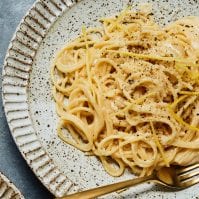
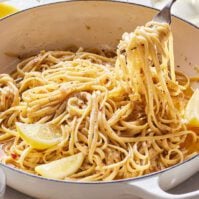
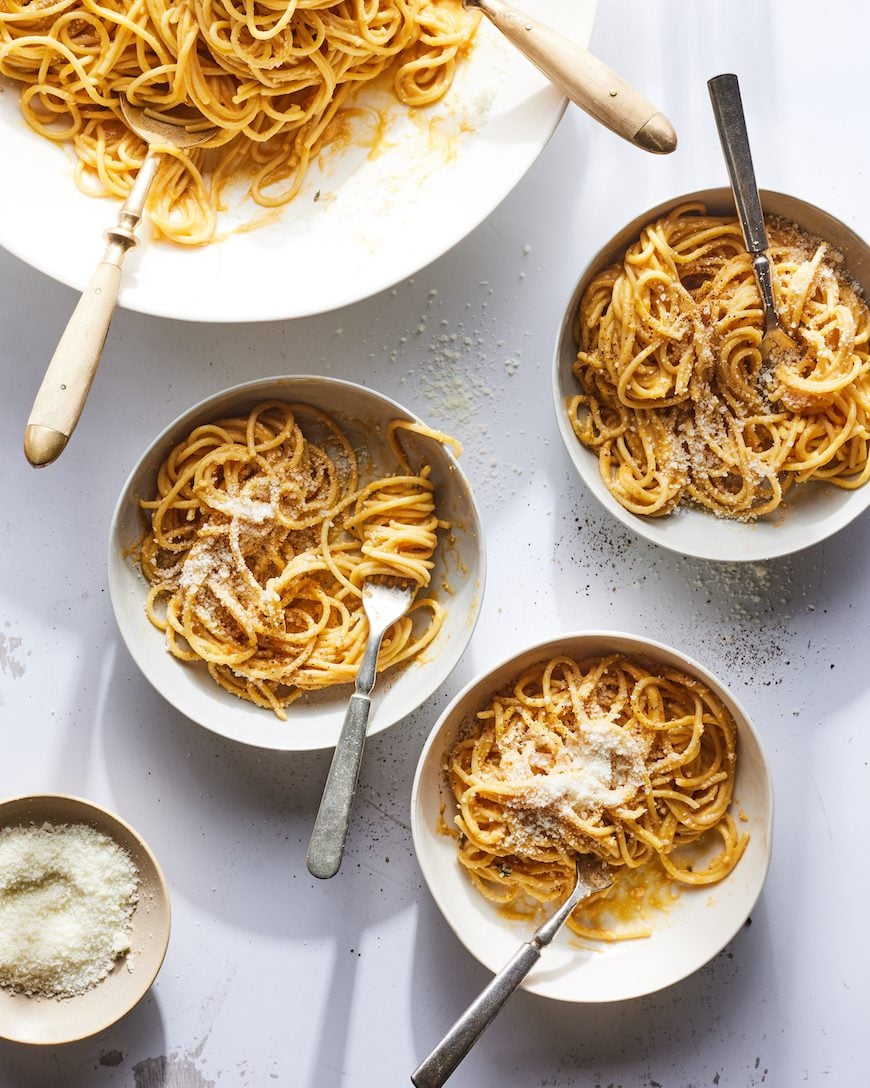
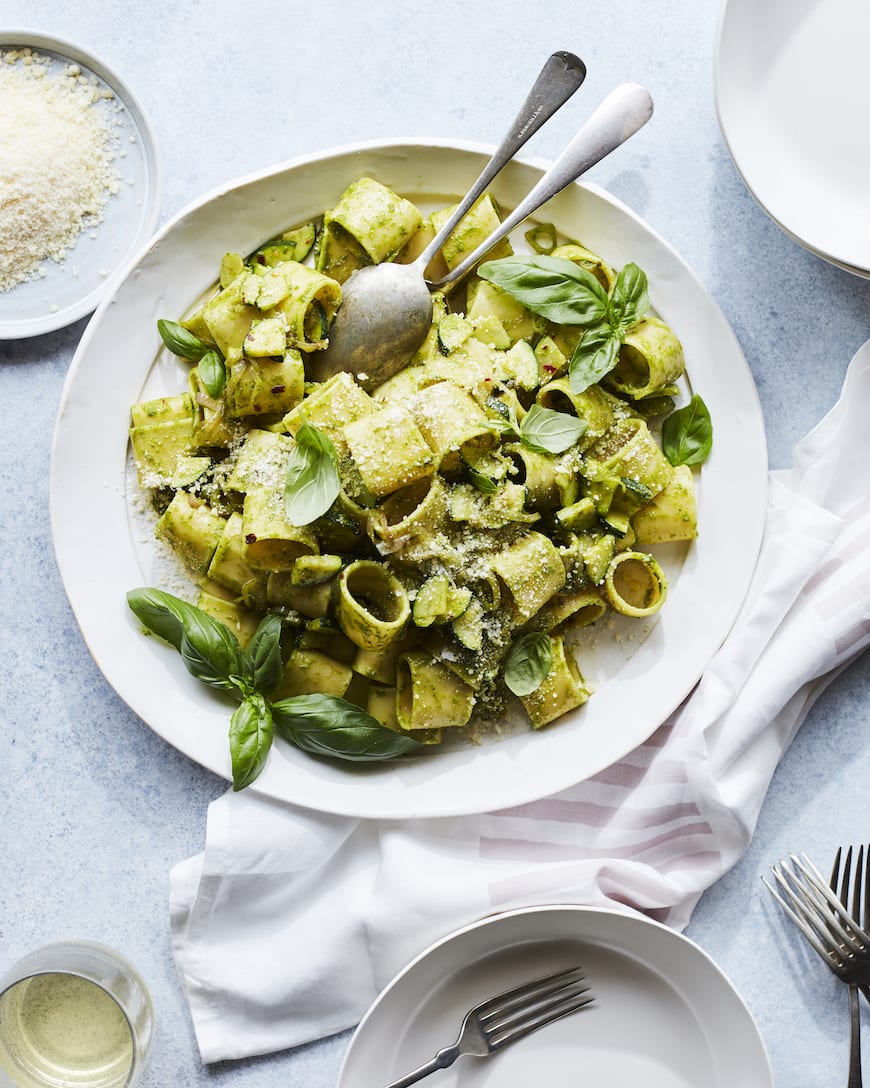
If you need a simple dinner on the table in under 20 minutes that still feels indulgent and satisfying, buttered parmesan noodles are one of my all-time go-to moves and honestly it's Poppys love langauge. We are talking perfectly cooked pasta tossed in a generous amount of butter and showered with freshly grated parmesan until everything melts together into the coziest, silkiest bowl of comfort. These live in the same world as my Garlic Buttered Angel Hair with Burrata which is another ultimate easy inspiration for weeknight variety, along with Spicy Peanut Noodles and Zucchini Pasta. Fast and crowd pleasing is the name of the game here!
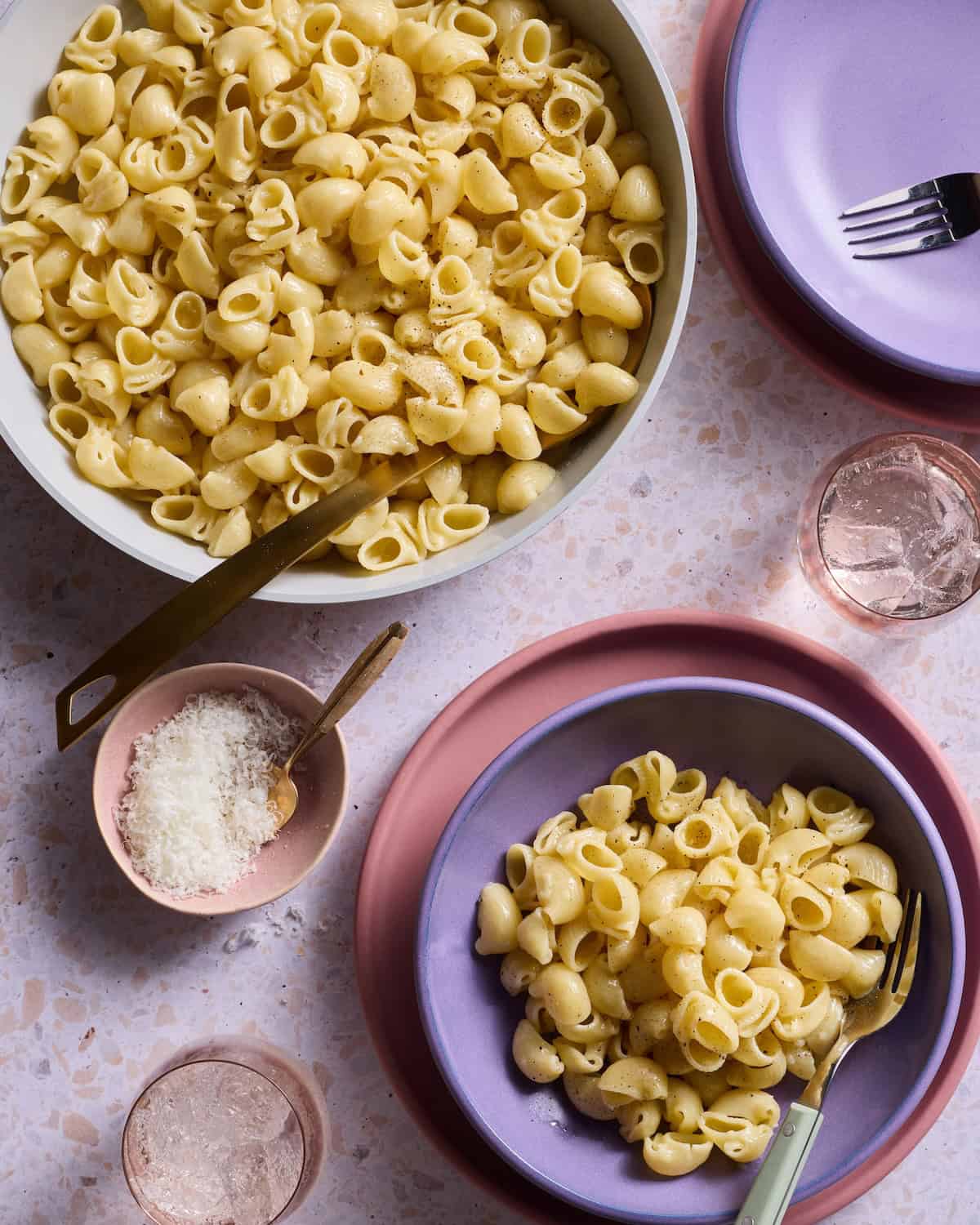
Buttered Parmesan Noodles at a Glance
- 🕒 Total Time: 20 minutes
- 👪 Servings: 4–6 people
- 🍝 Cuisine Type: Italian-inspired / Comfort Food
- 🧂 Flavor Profile: Buttery, savory, and lemon-bright with a silky parmesan finish
- 📖 Dietary Info: Vegetarian, easily gluten-free with GF pasta
- 📦 Storage Notes: Best fresh; refrigerate leftovers up to 3 days and reheat with a splash of water to loosen the sauce
- ⭐ Why You’ll Love It: A simple, pantry-friendly pasta that delivers big flavor with minimal effort—creamy without cream and endlessly adaptable
Summarize and save this content on...
Why I Love This Recipe
Here is what makes this Buttered Parmesan Noodles recipe so much better than your average buttered noodles and worthy of a permanent spot in your weeknight dinner lineup: the shallot and garlic situation. Most buttered noodle recipes go straight from butter to pasta, but taking an extra three minutes to gently cook down a finely chopped shallot and garlic in that butter and olive oil mixture adds this subtle, savory, aromatic depth that makes the whole dish taste like something you ordered at a really good Italian restaurant rather than something you threw together in 20 minutes.
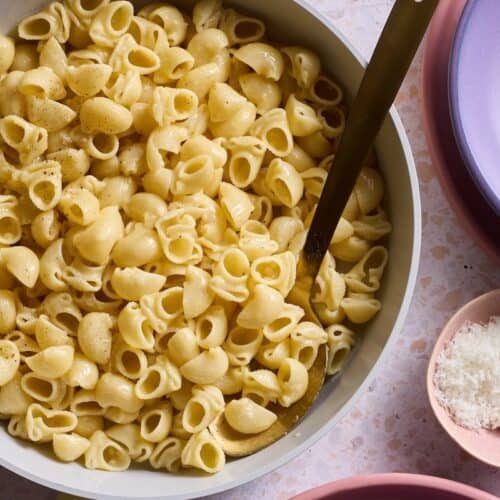
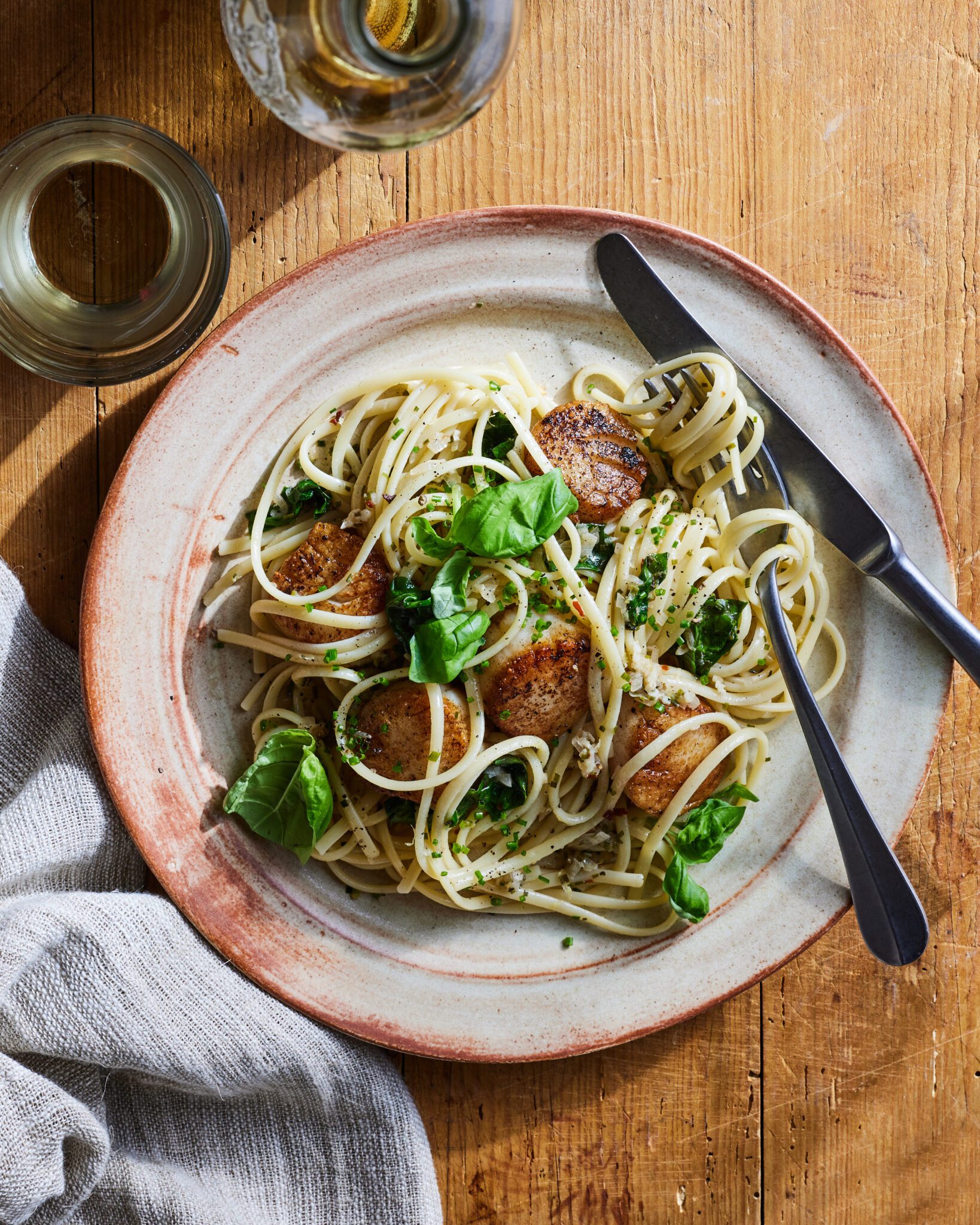
The lemon zest and lemon juice are also completely non-negotiable for me when it comes to Buttered Parmesan Noodles. They cut through the richness of all that butter and Parmesan and keep every bite feeling bright and alive rather than heavy. And the shell pasta choice is inspired because those little pockets catch and hold the sauce in the best possible way. This is also the perfect base to build on whenever you feel like it. Toss in some sautéed mushrooms, add some roasted cherry tomatoes on top, or serve it alongside my Lemon Garlic Scallops or Steak Bites for a dinner that feels genuinely restaurant-worthy with almost zero effort.
Jump to:
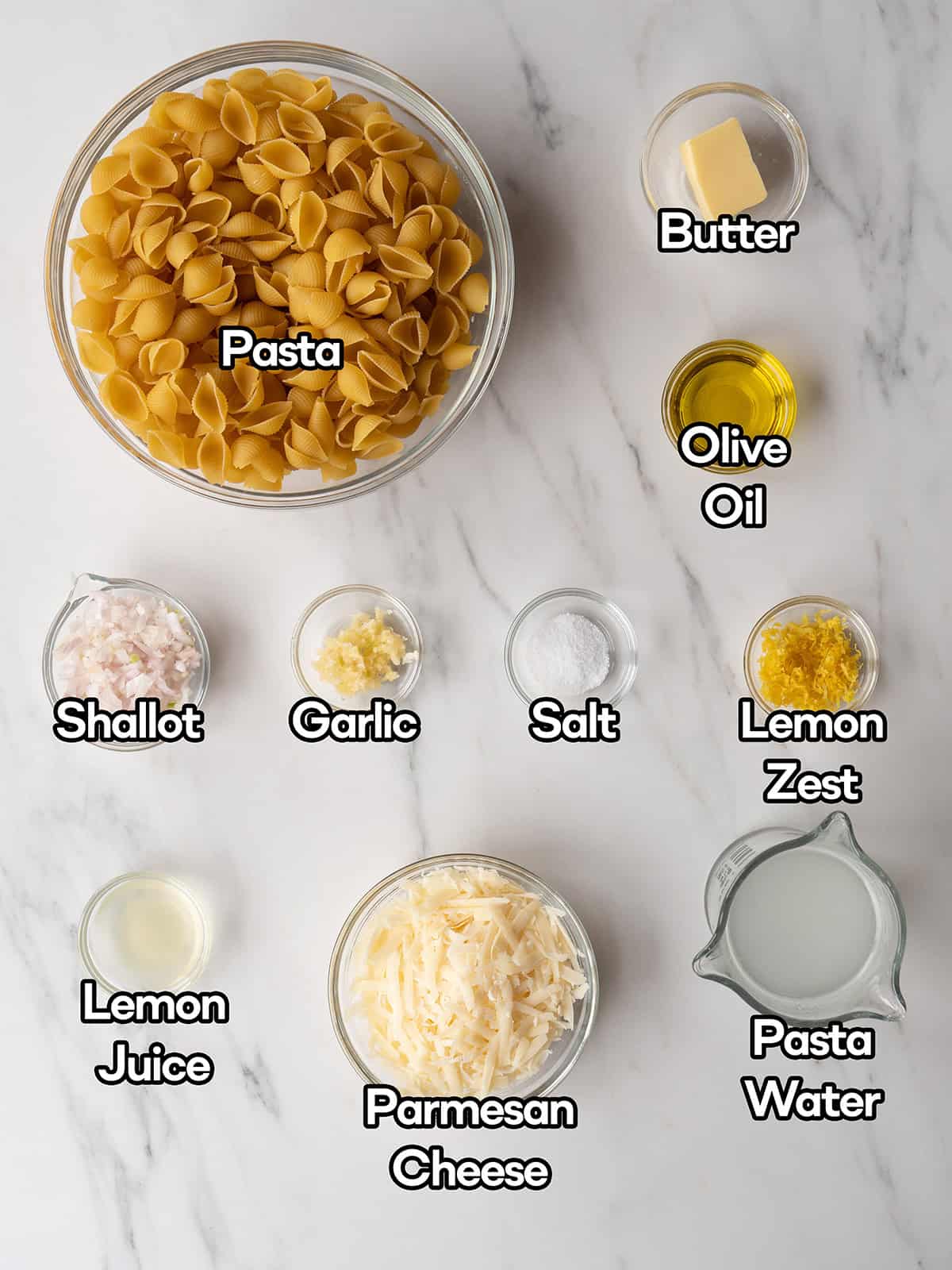
Ingredients
Substitutions & Swaps
🍝 Pasta
- Shellbows - Ideal for catching the sauce
- Spaghetti or linguine - Classic alternative
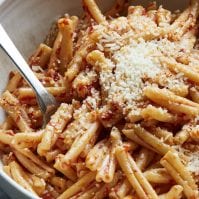
- Short pasta (rigatoni, penne) - Holds sauce well
- Gluten-free pasta - Works with proper salting and timing
🧈 Fat Base
- All butter - Richer, more classic flavor
- All olive oil - Lighter, more Mediterranean feel
- Brown butter - Adds nutty depth
🧅 Aromatics
- Shallot - Mild and slightly sweet
- Garlic powder - In a pinch (½–1 tsp)
🧀 Cheese
- Pecorino Romano - Saltier, sharper flavor
- Grana Padano - Milder than parmesan
- Asiago - Slightly nutty and creamy
🍋 Flavor Boosters
- Extra lemon juice - Brighter finish
- Red pepper flakes - Subtle heat
- Fresh herbs (parsley, basil) - Adds freshness
- Black pepper - Classic finishing touch
How to Make Buttered Parmesan Noodles
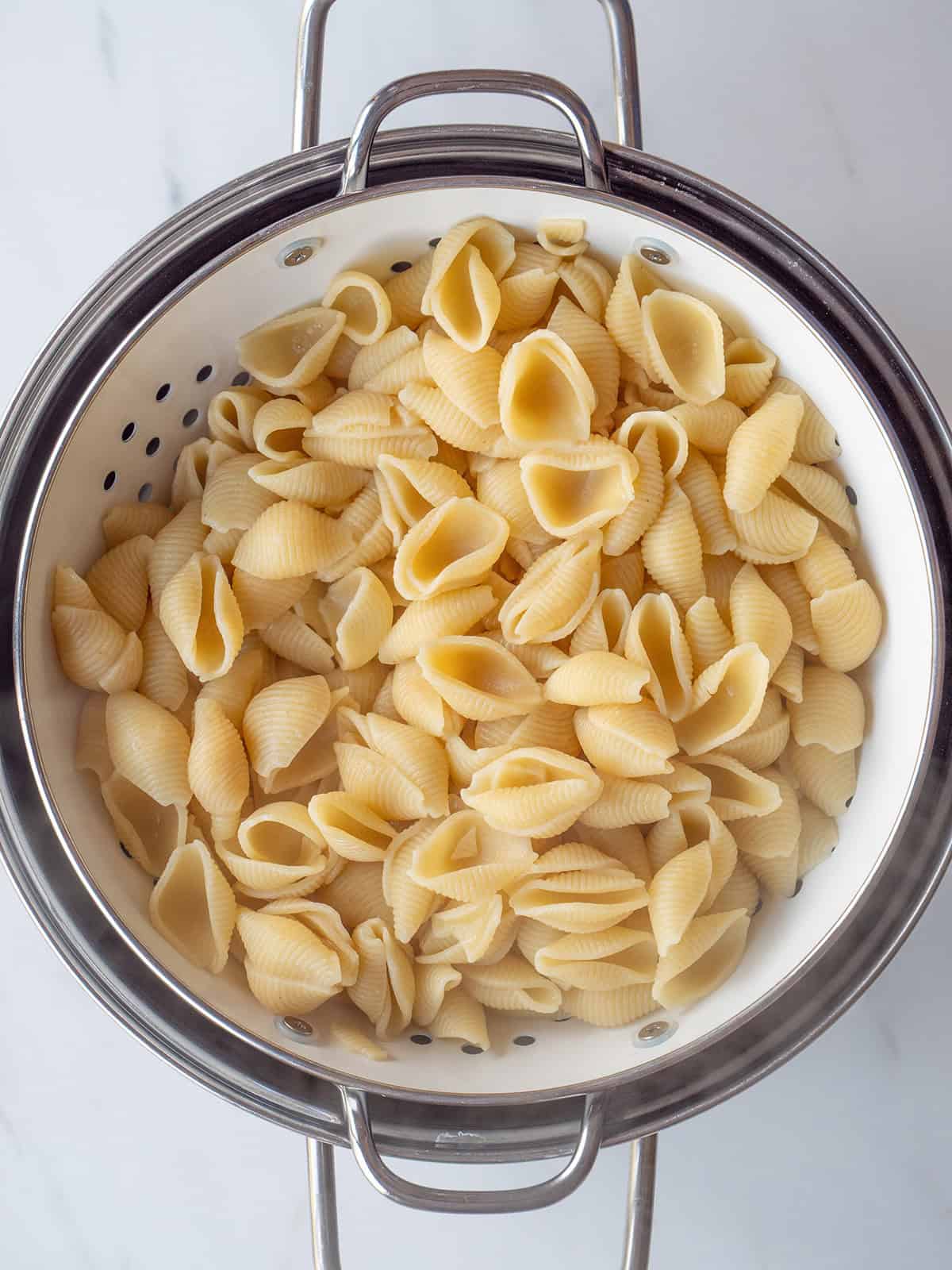
Step 1: Bring a large pot of heavily salted water to a boil. Cook the pasta until al dente according to the package directions. Reserve about ½ cup of the pasta water, then drain the pasta.
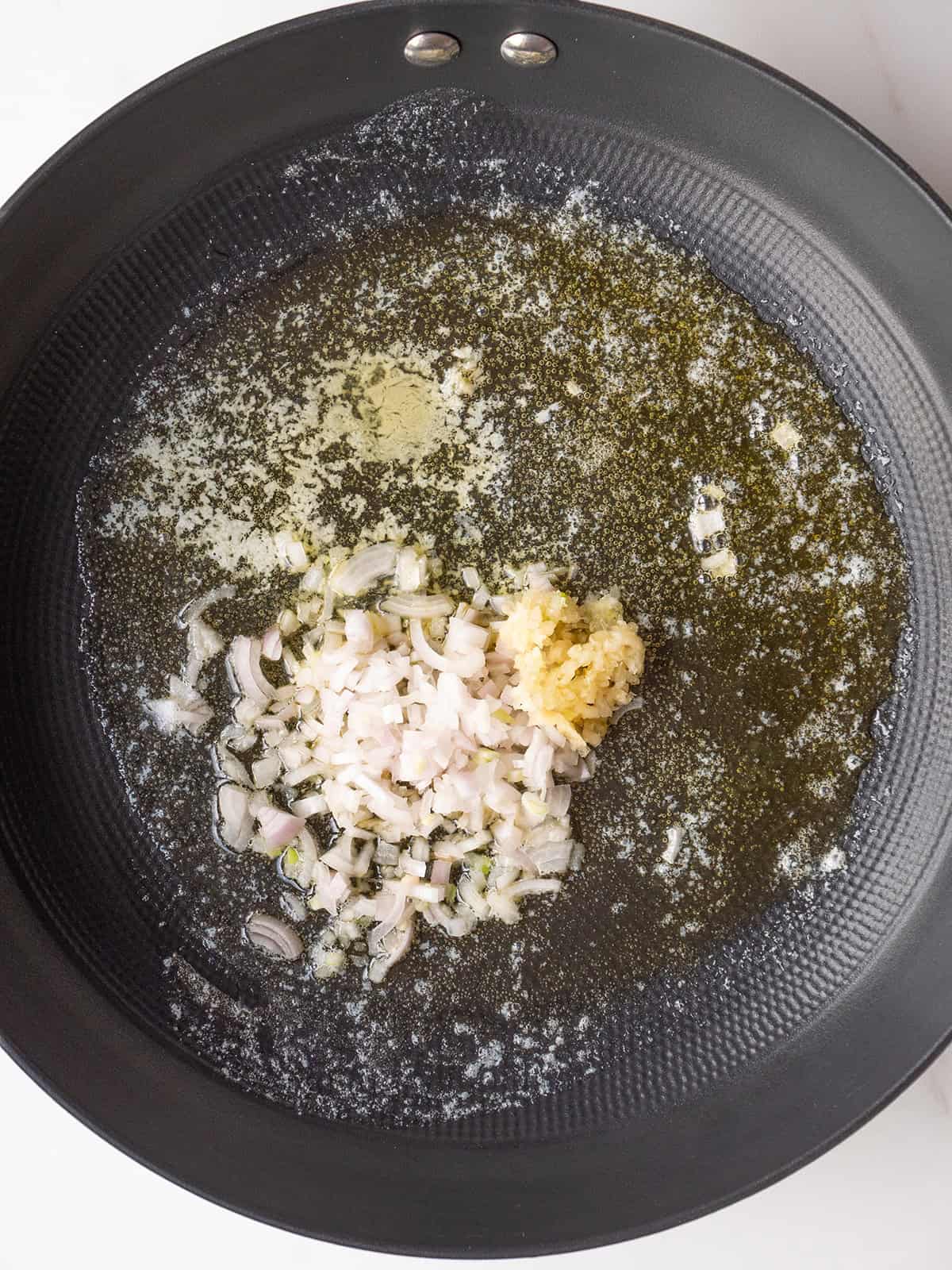
Step 2: While the pasta cooks, melt the butter and olive oil in a large skillet over medium heat. Add the chopped shallot and garlic and cook until soft and fragrant.
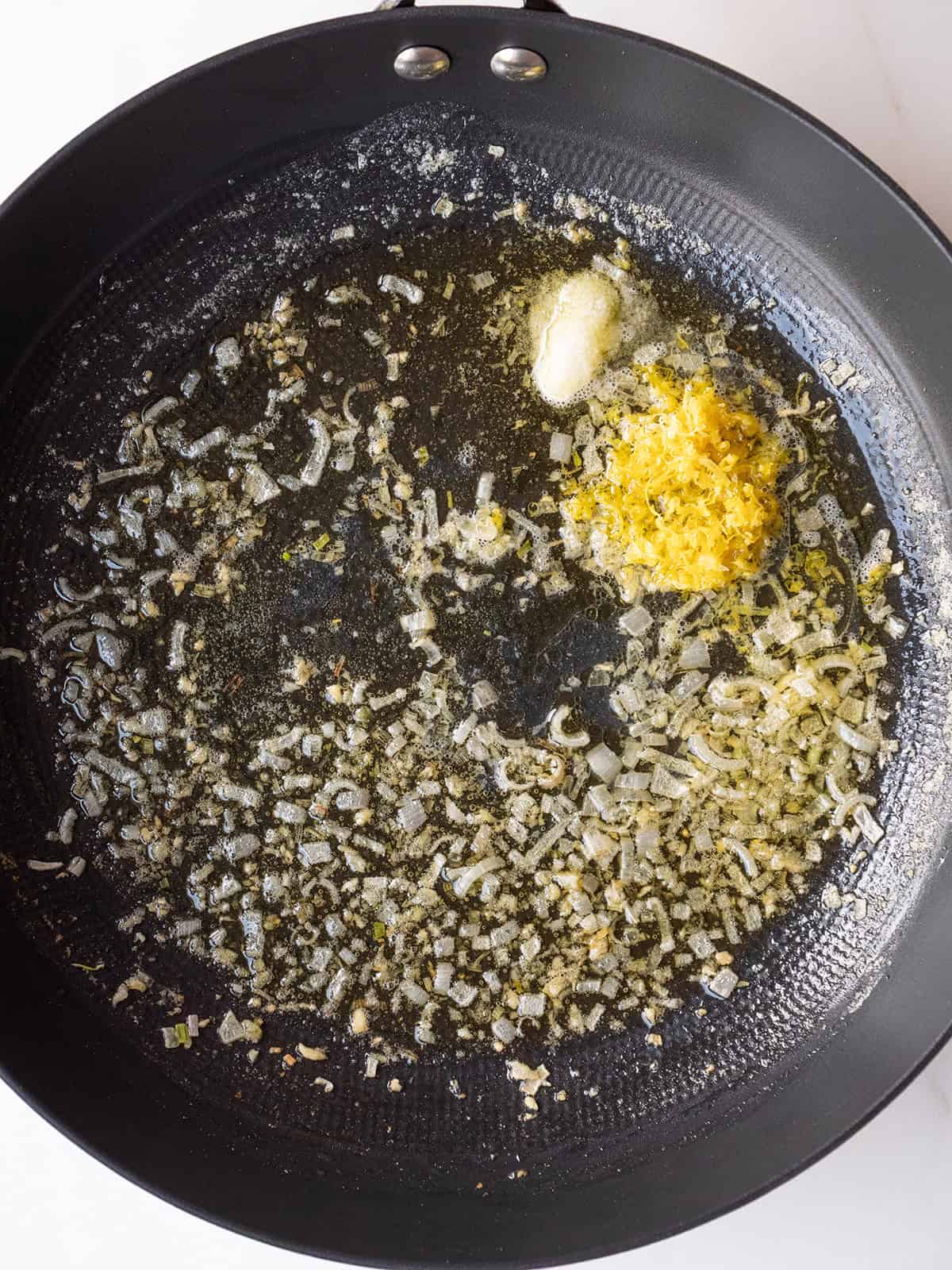
Step 3: Season with salt, lemon zest, and lemon juice.
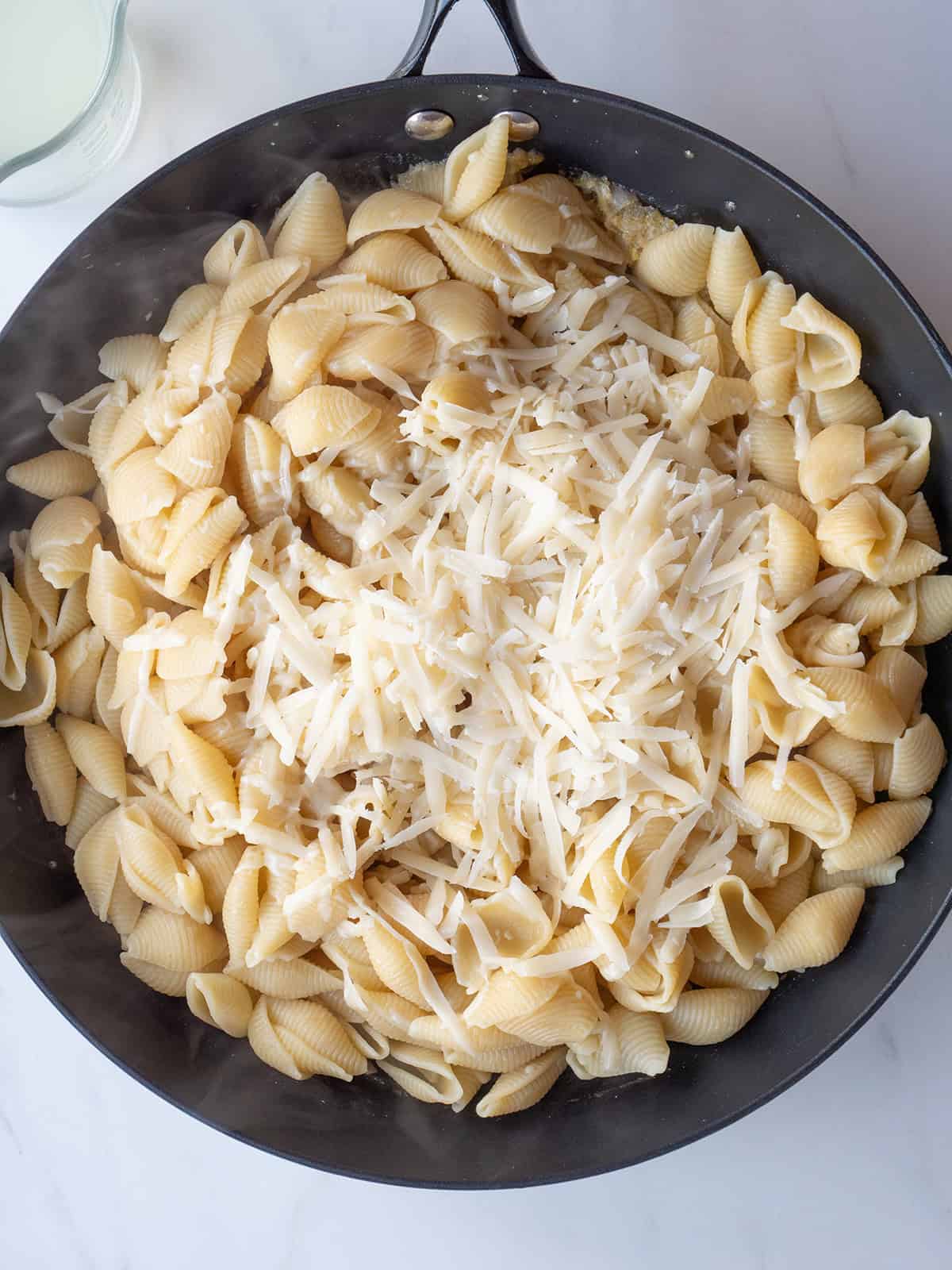
Step 4: Add the hot pasta directly to the skillet. Sprinkle in the parmesan and add splashes of the reserved pasta water as needed. Toss continuously until the sauce is glossy, smooth, and coats the noodles.
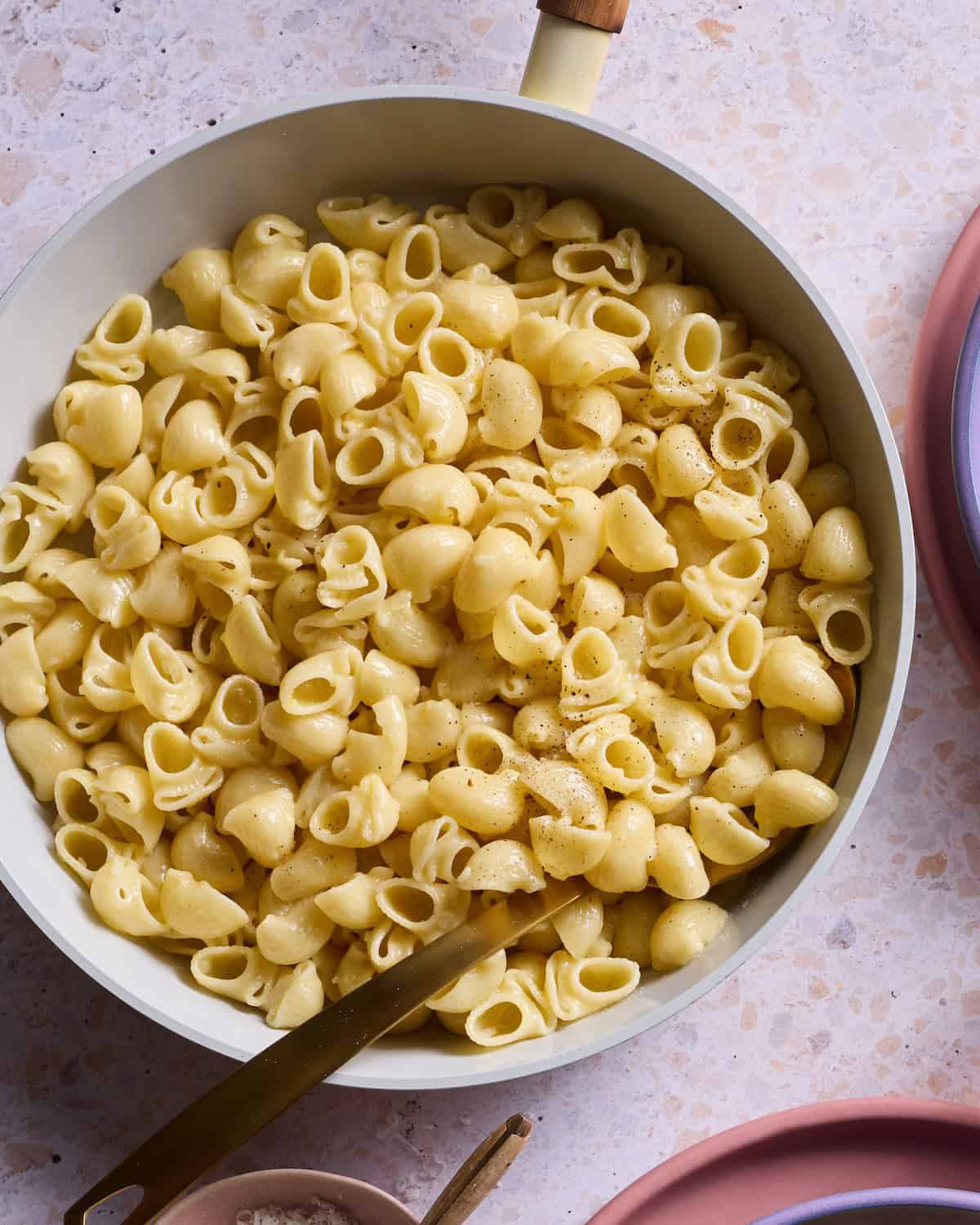
Step 5: Taste and adjust salt as needed. Finish the Buttered Parmesan Noodles with extra parmesan on top and serve immediately.
Tips & Tricks for the Best Buttered Parmesan Noodles
- Salt your pasta water generously. It should taste like the sea - this is your first layer of seasoning.
- Reserve pasta water before draining. That starchy water is key to creating a glossy, emulsified sauce.
- Add pasta directly to the skillet. Hot pasta helps melt the cheese and bind the sauce.
- Toss continuously. Keeps the sauce smooth and prevents clumping.
- Add cheese gradually. Prevents it from seizing or becoming grainy.
- Control the heat. Too high and the cheese can break; keep it at medium or lower when adding parmesan.
- Finish with lemon at the right time. Adding zest and juice early infuses flavor; a little extra at the end brightens everything.
- Serve immediately. This sauce is at its best right off the stove.
FAQ's
Why is my sauce clumpy or grainy?
This usually means the heat was too high when you added the cheese, or the pasta water was not hot enough. Drop the heat to low, add a splash of hot pasta water, and toss vigorously. The sauce should come back together quickly.
Can I make Buttered Parmesan Noodles ahead of time?
Buttered Parmesan Noodles are best eaten fresh. The sauce tightens up significantly as it sits and does not reheat as beautifully as it tastes fresh from the pan. That said, if you need to reheat leftovers, add a generous splash of water or broth and toss over low heat until loosened and glossy again.
What’s the best pasta shape for Buttered Parmesan Noodles?
Shells are my first choice because they catch the sauce in their little pockets, but fettuccine, linguine, spaghetti, rigatoni, or any short pasta shape you love will work beautifully here. Just make sure whatever you use has some texture to grip the sauce.
What kind of Parmesan should I use?
Parmigiano-Reggiano is the gold standard and absolutely worth it for a dish this simple where the cheese is the star. If you use a less aged Parmesan, just make sure it is freshly grated from a block rather than pre-shredded from a bag.
Can I add protein to Buttered Parmesan Noodles to make this a full meal?
Yes, and it is incredible either way. Grilled chicken, sautéed shrimp, crispy pancetta, or pan-seared scallops all pair beautifully with these noodles. You can also toss in some wilted spinach or roasted cherry tomatoes for a vegetarian boost.
Can I scale this recipe up?
YES! This is what I make every time I left 10 kids stay for dinner after art class. Do 3X and you're in business!
Buttered Parmesan Noodles
Ingredients
- 1 lb shell pasta
- 2 tablespoon unsalted butter
- 2 tablespoon olive oil
- 1 shallot finely chopped
- 2 cloves garlic minced
- ½ teaspoon kosher salt plus more to taste
- 1 lemon zested and juiced
- 1 cup freshly grated parmesan cheese
- ½ cup reserved pasta water
Instructions
- Bring a large pot of heavily salted water to a boil. Cook the pasta according to package directions until al dente. Before draining, reserve about ½ cup of the pasta cooking water. Drain the pasta and set aside.
- While the pasta cooks, melt the butter and olive oil together in a large skillet over medium heat. Add the shallot and garlic and cook, stirring occasionally, until soft and fragrant, about 3 to 4 minutes. Season with salt, lemon zest, and lemon juice.
- Add the hot drained pasta directly to the skillet. Sprinkle in the Parmesan and add the reserved pasta water in small splashes. Toss continuously until the sauce is glossy, smooth, and coats every noodle evenly. Add more pasta water as needed to reach your desired consistency.
- Taste and adjust salt as needed. Serve immediately with extra Parmesan grated generously on top.
Notes
- Salt your pasta water generously. It should taste like the sea - this is your first layer of seasoning.
- Reserve pasta water before draining. That starchy water is key to creating a glossy, emulsified sauce.
- Add pasta directly to the skillet. Hot pasta helps melt the cheese and bind the sauce.
- Toss continuously. Keeps the sauce smooth and prevents clumping.
- Add cheese gradually. Prevents it from seizing or becoming grainy.
- Control the heat. Too high and the cheese can break; keep it at medium or lower when adding parmesan.
- Finish with lemon at the right time. Adding zest and juice early infuses flavor; a little extra at the end brightens everything.
- Serve immediately. This sauce is at its best right off the stove.



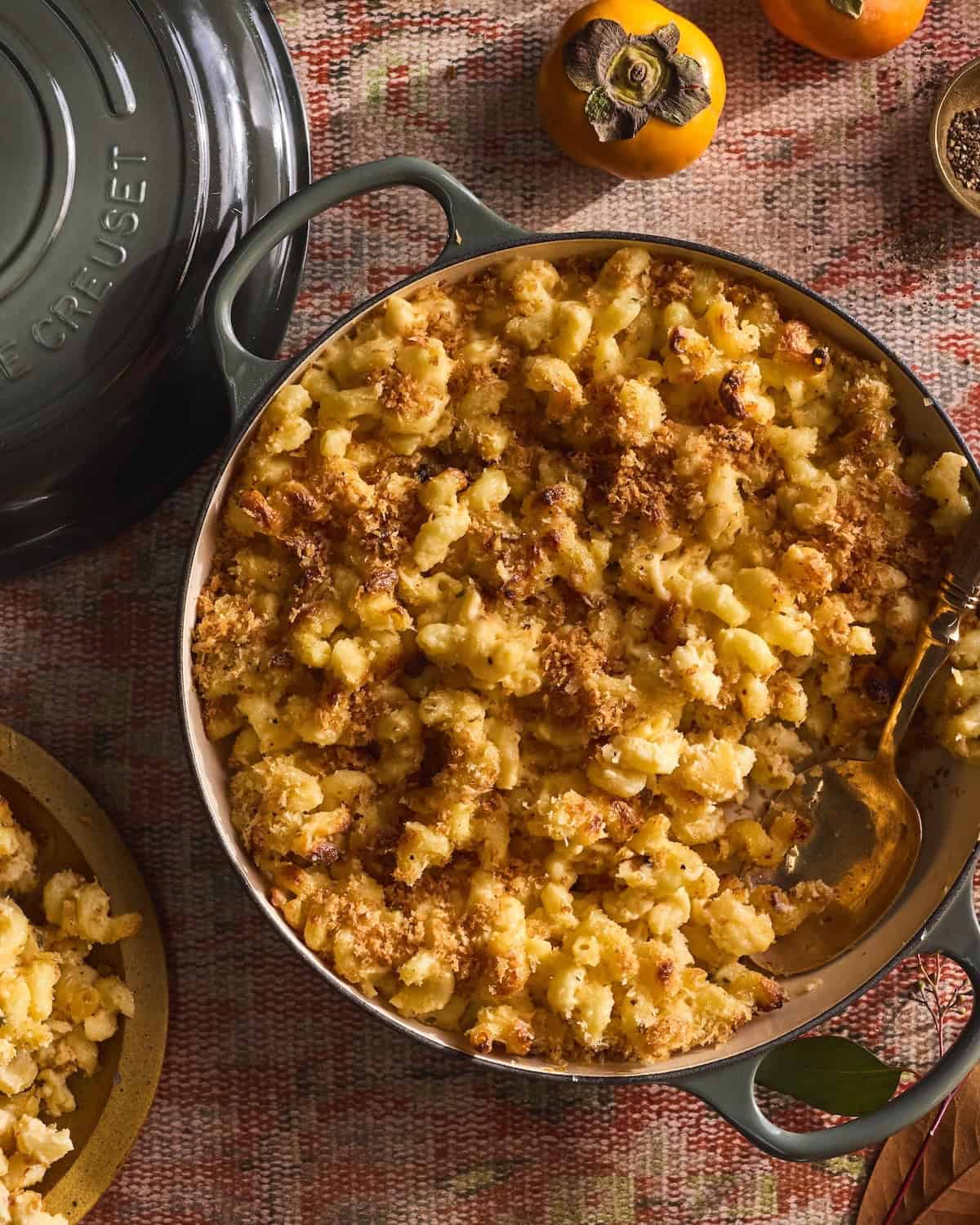
This is my ultimate comfort food!!