
A turkey brine is the difference between turkey people politely eat and turkey people go back for. Salt, a little seasoning, and a day in the fridge season the bird all the way through and help it hold onto its juices in the oven, so even the breast comes out moist. There are two ways to do it: a wet brine soaks the turkey in seasoned salt water for 12 to 24 hours and gives you the juiciest meat and the best drippings; a dry brine rubs salt and spices straight onto the skin for one to three days, needs no bucket or cooler, and gives you crispier skin. Both are below, with the amounts for your size of bird.
I've brined every Thanksgiving turkey I've cooked for the last decade, usually starting Tuesday night with a bird that's still half frozen, and it is the one step I will never skip partly for the turkey, mostly for the gravy, because brined drippings make the best homemade turkey gravy you will ever pour. Pick the method that fits your fridge, then roast it my way with the herb roasted turkey.

Easy and Delicious Turkey Brine at a Glance
- 🕒 Prep Time: 15 minutes, plus brining time
- ⏱️ Brining Time: Wet brine: 12–24 hours; dry brine: 24–72 hours
- 👪 Servings: 10 people, using a 14–18-pound turkey
- 🍗 Cuisine Type: American / Thanksgiving
- 🧂 Flavor Profile: Savory and aromatic with herbs, garlic, and warm spices. The wet brine also includes brown sugar and red pepper flakes.
- 📖 Dietary Info: Made without dairy or gluten-containing grains. Check packaged seasonings for allergens.
- ❄️ Storage Notes: Keep the turkey refrigerated at 40°F or below throughout brining. Use a food-safe container for wet brining or a rimmed baking sheet and rack for dry brining.
- ⭐ Why You'll Love It: Two easy methods for making a juicy, flavorful Thanksgiving turkey, whether you prefer a classic wet brine or the simplicity of a dry brine.
Summarize and save this content on
Jump to:
- Easy and Delicious Turkey Brine at a Glance
- Why I Love This Recipe
- Ingredients
- Wet Brine vs. Dry Brine: Which Should You Choose?
- How to Dry Brine a Turkey
- How to Wet Brine a Turkey:
- How Long to Brine a Turkey
- Gaby's Tips & Tricks for the Best Turkey Brine
- Turkey Brine FAQs
- More Thanksgiving Turkey Recipes
- Easy Turkey Brine Recipe (Wet Brine or Dry Brine)
Why I Love This Recipe
Here's the deal: if you've never used a brined turkey for your Thanksgiving feast you're missing out. Here's a step-by-step guide for an easy turkey brine recipe to get the most delicious, juicy turkey you'll ever eat! A turkey that will go perfectly with The BEST Mascarpone Mashed Potatoes Recipe, Wild Mushroom Stuffing, and, in my opinion, the best dessert out there: my famous Classic Italian Tiramisu.
If this is your first year in the brine world, prepare for your life to change. It’s everything, and this year’s recipe is beyond. It’s loaded with all sorts of aromatics that will infuse the bird with even more flavor. Side note: this works beautifully on a Turkey Breast if you're feeding a smaller crowd this year!
PS – are you thinking of putting this on your Thanksgiving menu? Check out the full What’s Gaby Cooking menu here along with the master prep schedule to keep things organized and on track! And if you want to see my put the entire dinner together in video form, moment by moment, and watch the chaos, here is my How to Cook Thanksgiving Dinner step by step video guide to a very WGC thanksgiving!
Ingredients
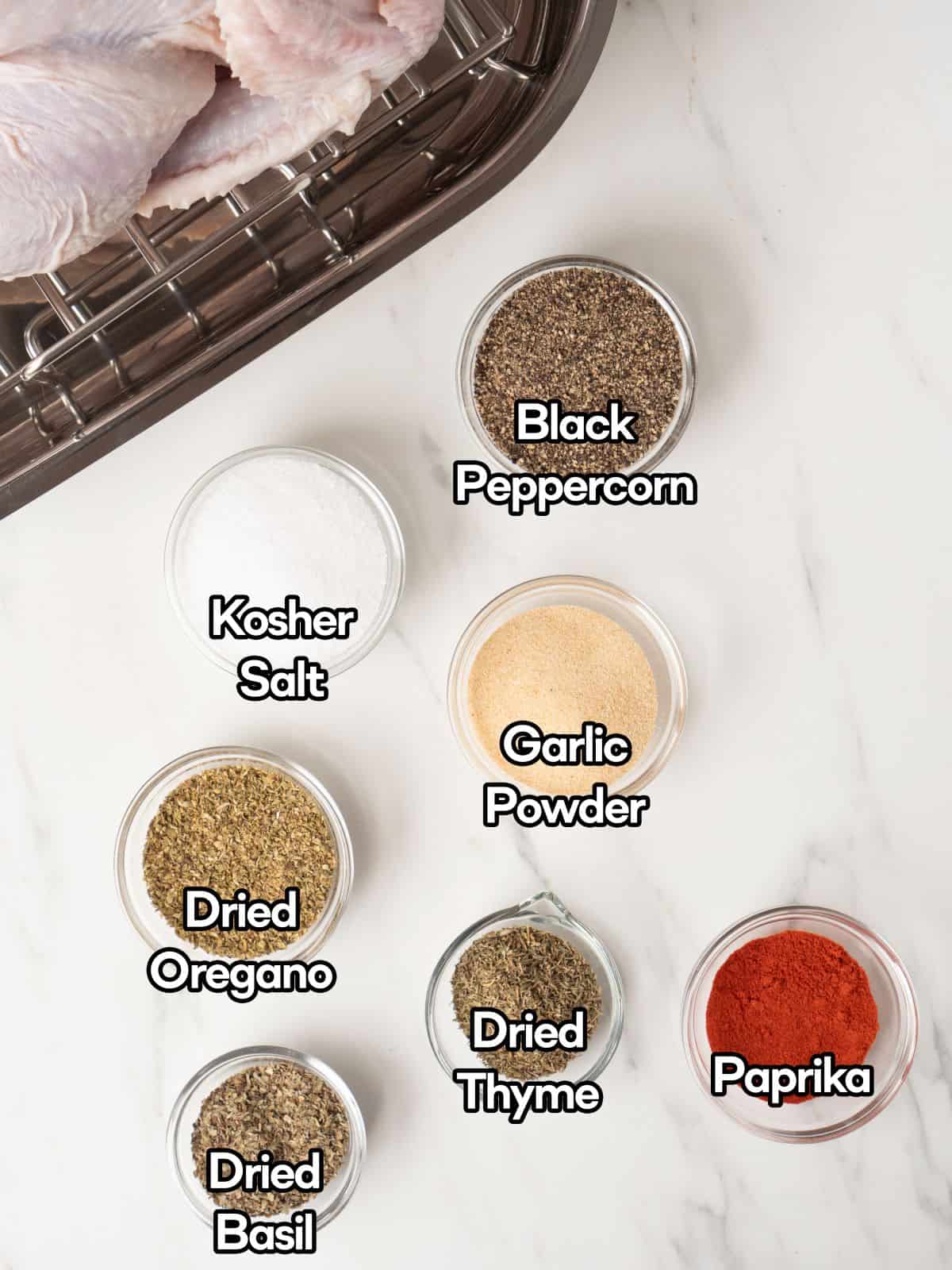
For the Wet Brine
- Water divided
- Kosher Salt
- Dark Brown Sugar
- Red Pepper Flakes
- Dried Sage
- Fresh Thyme
- Garlic
- Turkey cleaned, innards removed
For the Dry Brine
- Kosher Salt
- Black peppercorns, freshly cracked
- Dried Oregano
- Garlic Powder
- Dried Basil
- Dried Thyme
- Paprika
- Alternatively, you can use 8 tbsps of salt and 8 tbsps of Gaby's Everyday and skip buying everything else other than the salt.
Wet Brine vs. Dry Brine: Which Should You Choose?
Both methods make a delicious Thanksgiving turkey, so it really comes down to how much refrigerator space you have and how far ahead you're planning. I love a wet brine, but if you don't want to deal with a giant container of liquid in your fridge, dry brining is an excellent option!
| Wet Brine | Dry Brine | |
|---|---|---|
| Method | Soak the turkey in seasoned salt water. | Rub salt and seasonings directly onto the turkey. |
| Timing | 12–24 hours. | 24–72 hours. |
| Equipment | Large food-safe container and refrigerator space. | Wire rack, rimmed baking sheet, and refrigerator space. |
| Skin | Benefits from drying before roasting. | Generally easier to achieve crispy skin. |
| Convenience | Requires more equipment and cleanup. | No brining liquid or oversized container. |
| Best For | Anyone who prefers a classic liquid brine. | Anyone looking for a simpler, less messy method. |
How to Dry Brine a Turkey

Step 1: Combine all the seasonings together (or use Dalkin&Co's Gabys Everyday). Set a wire cooling rack on a baking sheet and place the turkey on the rack.

Step 2: Rub ½ cup of the dry brine on the back side of the turkey

Step 3: Rub ½ cup on the legs and 1 cup on the breast.

Step 4: Transfer the turkey, uncovered, to the fridge and refrigerate for at least 24 hours and up to 72 hours.
How to Wet Brine a Turkey:
During the brining process, you soak the turkey in a salt and water mixture (with other aromatics if you want to get jazzy), and the turkey absorbs that extra moisture from the liquid. (Note: you'll need a large vessel to store the turkey and liquid in) This process helps it stay moist and juicy during cooking! Which then means it's still moist and juicy once you carve it and serve.
Brining also helps season the turkey from the inside out, so no matter what piece you get, it'll be delicious! If you don’t have room for the large vessel as mentioned above, a dry brine is the easier way to go.
For Thanksgiving on Thursday, I like to start my wet brine Wednesday morning so the turkey has plenty of time to soak up all that flavor. If you're dry brining, Tuesday is a great time to get started! I highly recommend kosher salt; if you're using Morton instead of Diamond Crystal, use a third less.
How Long to Brine a Turkey
Allow plenty of time for the flavors to work their magic. And trust me, it's worth planning ahead! Timing is everything when it comes to brining your Thanksgiving turkey, and the amount of time depends on which method you're using.
- Wet Brine: Refrigerate the turkey in the brine for 12–24 hours. Once it's finished, remove it from the liquid, discard the brine, and pat the turkey dry.
- Dry Brine: Refrigerate the seasoned turkey, uncovered, for at least 24 hours and up to 72 hours. Brush off excess seasoning and pat dry before roasting.

Gaby's Tips & Tricks for the Best Turkey Brine
🧂 Choose the Right Brine
- Wet brine for a classic approach. The turkey soaks in a seasoned saltwater mixture with herbs, garlic, and aromatics. You'll need a large food-safe container and enough refrigerator space for the turkey and liquid.
- Dry brine for simplicity. Rub the seasoning mixture directly onto the turkey and refrigerate it on a rack set over a rimmed baking sheet. No bucket of liquid required!
- Check the turkey packaging. Avoid adding a full brine to a turkey labeled enhanced, self-basting, or pre-brined. Those birds may already contain added salt.
📏 Salt and Timing Matter
- Follow the recipe's salt measurements. Wet and dry brines use different amounts of salt, and kosher salt brands vary in density. Stick with the measurements in the recipe card rather than relying on a general salt-to-weight ratio.
- Plan ahead. Wet brining takes 12–24 hours, while dry brining takes 24–72 hours. Both methods need refrigerator space, so make room before you start.
- Be mindful of extra salt. The brine has already seasoned the turkey, so taste the pan drippings before adding more salt to your gravy.
❄️ Keep Everything Cold and Safe
- Keep the turkey cold. Refrigerate throughout brining at 40°F or below. If using a cooler, monitor the temperature carefully and maintain it with sufficient ice.
- Use a food-safe container. For wet brining, choose a container large enough to hold the turkey and brine while keeping the bird fully submerged.
- Don't rinse your turkey. Rinsing raw poultry can spread bacteria around your kitchen. Pat the turkey dry with paper towels instead.
🍗 After Brining
- Pat the turkey dry. Remove the turkey from the wet brine or brush off excess dry-brine seasoning, then pat it dry before roasting.
- Give the skin time to dry. If possible, refrigerate the turkey uncovered for a few hours after wet brining to help the skin crisp up in the oven.
- Add your favorite aromatics. Fresh herbs, garlic, and citrus are great additions before roasting. Butter or olive oil can also help create a beautifully golden finish.
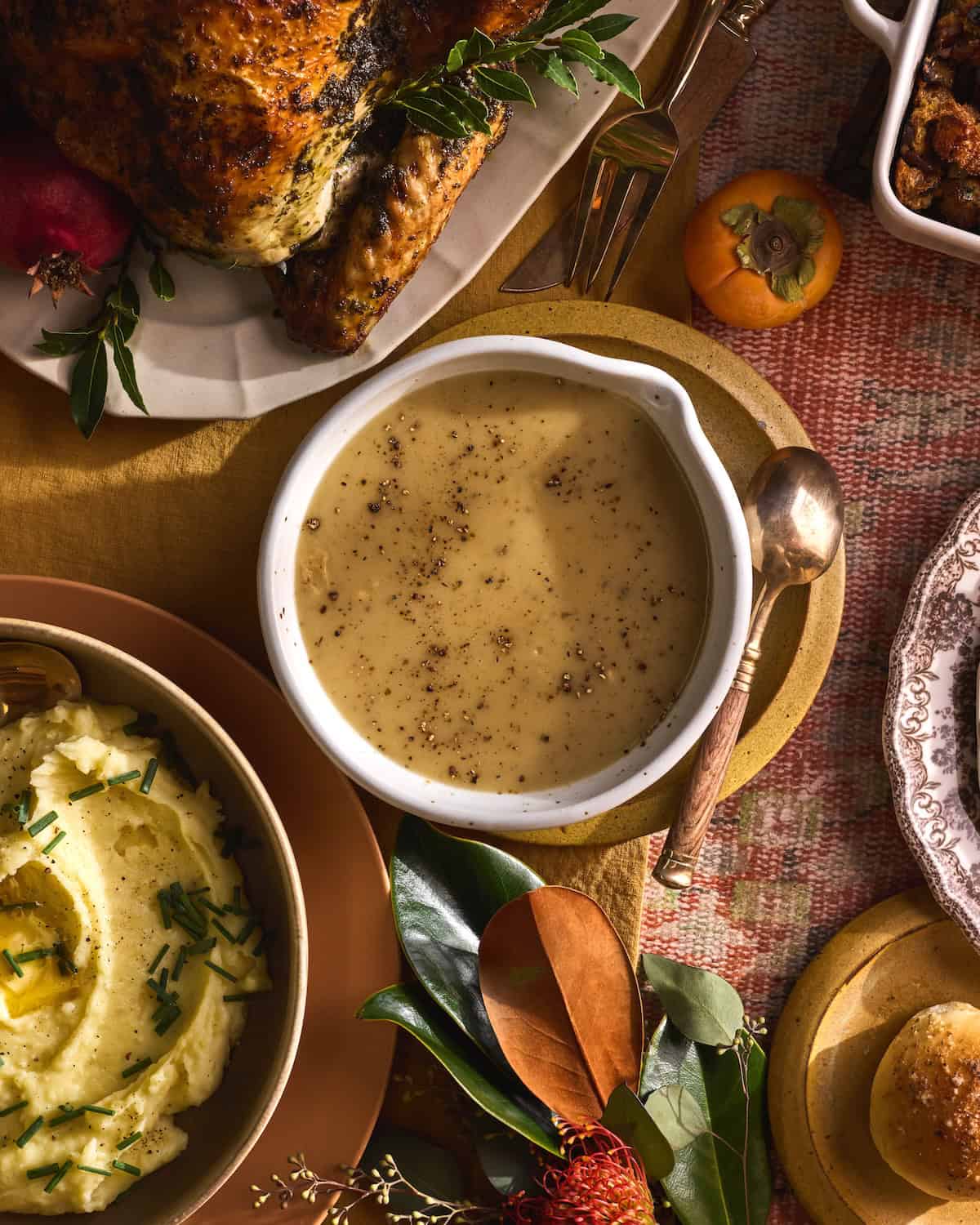
- Save those drippings! They make an incredible base for Thanksgiving gravy. Taste before adding more salt, since brined turkey drippings can be salty.
- Rest before carving. Give the roasted turkey time to rest so the juices redistribute before serving.
Turkey Brine FAQs
Brining seasons the turkey and helps it retain moisture during roasting. Turkey breast is especially lean, so brining is one of my favorite ways to keep Thanksgiving turkey juicy and flavorful.
Wet brining means soaking the turkey in a seasoned saltwater mixture for 12–24 hours. Dry brining means rubbing salt and seasonings directly onto the turkey and refrigerating it for 24–72 hours. Both season the bird, but dry brining requires less equipment and generally makes it easier to achieve crispy skin.
A partially frozen turkey can continue thawing in the refrigerator during brining, provided it stays at 40°F or below. Plan for adequate thawing time and follow the recipe's brining instructions. Never thaw or brine a turkey at room temperature.
I recommend starting with a plain turkey that hasn't been enhanced or pre-brined. Self-basting and enhanced turkeys often contain added salt, so brining them again can make the finished turkey too salty.
No! There's no need to rinse a turkey after brining. Rinsing raw poultry can spread bacteria around your kitchen. Instead, pat the turkey dry with paper towels before roasting.
Remove the turkey from the wet brine or brush off excess dry-brine seasoning, pat it dry, and prepare it for roasting. Add herbs, aromatics, or butter as desired, but be mindful of adding extra salt. Roast according to your turkey recipe and let it rest before carving.


So all that's left is to decide if you're going wet or dry turkey brine. If wet: grab a large vessel that will fit 1: the liquid brine mixture, 2: the bird, and 3: will fit into your fridge. If you have an extra fridge in your garage, that's the perfect place to store this, as it won't be in your way when you're stocking your fridge with the rest of the Thanksgiving ingredients.
If you choose the dry brine: combine all the seasonings and slather the bird with the herbs. Then let it take a chill in the fridge for 24-72 hours.
Get ready, guys… THANKSGIVING this year is going to be mega delish.
PS – Check out the full What’s Gaby Cooking Thanksgiving menu here along with the Thanksgiving master prep schedule to keep things organized and on track!
And if you need more Thanksgiving ideas, check out this roundup of 80+ Easy and Delicious Thanksgiving Recipes and Ideas
More Thanksgiving Turkey Recipes




If you tried this recipe, please leave a 🌟 star rating and let me know how it goes in the 📝 comments below. Thanks for visiting today

Easy Turkey Brine Recipe (Wet Brine or Dry Brine)
Ingredients
For the Wet Brine
- 16 cups water divided
- ½ cup kosher salt
- ½ cup dark brown sugar
- 1 tablespoon dried red pepper flakes
- 1 tablespoon dried sage
- 1 bunch fresh thyme
- 2 heads garlic sliced in half
- 14 to 18- pound turkey cleaned, innards removed
For the Dry Brine
- 8 tablespoons kosher salt
- 4 tablespoons freshly cracked black peppercorns
- 4 tablespoons dried oregano
- 4 tablespoons garlic powder
- 3 tablespoons dried basil
- 2 tablespoons dried thyme
- 2 tablespoons paprika
Instructions
For the Wet Brine
- Combine 8 cups of water, salt, dark brown sugar, red pepper flakes, sage, thyme, and garlic in a large pot and place over medium-high heat. Bring to a boil, lower the heat, and simmer for 5 minutes, until everything is evenly combined and the sugar is dissolved. Remove from heat and allow to cool. Stir in remaining water and cool completely.
- Pour the brine into a container just large enough to hold the turkey comfortably. Add the turkey, adding more water if needed to cover the bird entirely. Turn the bird a few times, then leave breast-side down in the water. Refrigerate for 12–24 hours. Discard the brine after removing the turkey, and pat the turkey dry before roasting.
For the Dry Brine
- Combine all the seasonings together. Set a wire cooling rack on a baking sheet and place the turkey on the rack. Rub ½ cup of the dry brine on the back side of the turkey, ½ cup on the legs, and 1 cup on the breast. Transfer the turkey, uncovered, to the fridge and refrigerate for at least 24 hours and up to 72 hours.
- After the brine period, brush off all the dry brine and discard it. Let the bird sit naked in the fridge for 4 hours, if possible, to dry out, or pat the bird dry and proceed with my Herb Roasted Turkey recipe. Remove any excess dry brine that is in the bottom of the roasting pan so your gravy isn't too salty before roasting.
Notes
🧂 Choose the Right Brine
- Wet brine for a classic approach. The turkey soaks in a seasoned saltwater mixture with herbs, garlic, and aromatics. You'll need a large food-safe container and enough refrigerator space for the turkey and liquid.
- Dry brine for simplicity. Rub the seasoning mixture directly onto the turkey and refrigerate it on a rack set over a rimmed baking sheet. No bucket of liquid required!
- Check the turkey packaging. Avoid adding a full brine to a turkey labeled enhanced, self-basting, or pre-brined. Those birds may already contain added salt.
📏 Salt and Timing Matter
- Follow the recipe's salt measurements. Wet and dry brines use different amounts of salt, and kosher salt brands vary in density. Stick with the measurements in the recipe card rather than relying on a general salt-to-weight ratio.
- Plan ahead. Wet brining takes 12–24 hours, while dry brining takes 24–72 hours. Both methods need refrigerator space, so make room before you start.
- Be mindful of extra salt. The brine has already seasoned the turkey, so taste the pan drippings before adding more salt to your gravy.
❄️ Keep Everything Cold and Safe
- Keep the turkey cold. Refrigerate throughout brining at 40°F or below. If using a cooler, monitor the temperature carefully and maintain it with sufficient ice.
- Use a food-safe container. For wet brining, choose a container large enough to hold the turkey and brine while keeping the bird fully submerged.
- Don't rinse your turkey. Rinsing raw poultry can spread bacteria around your kitchen. Pat the turkey dry with paper towels instead.
🍗 After Brining
- Pat the turkey dry. Remove the turkey from the wet brine or brush off excess dry-brine seasoning, then pat it dry before roasting.
- Give the skin time to dry. If possible, refrigerate the turkey uncovered for a few hours after wet brining to help the skin crisp up in the oven.
- Add your favorite aromatics. Fresh herbs, garlic, and citrus are great additions before roasting. Butter or olive oil can also help create a beautifully golden finish.
- Save those drippings! They make an incredible base for Thanksgiving gravy. Taste before adding more salt, since brined turkey drippings can be salty.
- Rest before carving. Give the roasted turkey time to rest so the juices redistribute before serving.
Nutrition Information (estimated)
Photo by Matt Armendariz / Food Styling by Adam Pearson / Recipe from What’s Gaby Cooking











I followed your measurements for the dry brine but I think it seems like too much salt. I used sea salt , Will my turkey taste too salty?
nope!
I accidentally got some dry brine on the inside of my turkey. Should I rinse it out? It seems like a lot and just a pat it dry or rub off the dry brine the excess
just brush it out tomorrow before roasting
I only have Pink Sea Salt-should I use the same amount of that as The Kosher salt called for in the recipe (dry brine)? TIA
that's fine!
Hi nervous about using 1T of red pepper flakes in the wet brine…will this make it too spicy??
nope - but if it makes you nervous you can omit
Hi Gaby!
I used the dry brine recipe as written for my 13lb turkey… are these measurements okay for that size? Now I’m scared if I used too much it’s going to turn out too salty! Plan on making your herb butter turkey. We made it years ago and it was insanely delicious, but this is the first year I’ve tried brining the turkey myself.
It'll be perf!!
Hi Gaby! I’m going to try your wet brine for the first time this year. We usually deep fry ours but doing oven this year. My husband accidentally bought regular table salt how much should I use in my brine and how long should I leave it in? I was going to do it for 48 hours is that okay?
Reduce by half
Hi Gaby- I just noticed that I’m out of dark brown sugar and only have light brown sugar in my pantry. I do realize that there is a difference to flavor when it comes to baking. Curious if there would be a significant difference in flavors if I substitute for the wet brine recipe? I’m not sure I feel like running back out to the store when I have everything else I need at home. 🙂
no - you're totally fine to use them interchangeably!
You mention not to rinse turkey when it comes out of brine. But in an article in Chicago Tribune a few years ago it said to rinse so turkey is not too salty. Mentioned Chef Adam Mali of Nick's Cove restaurant in California.
NEVER rinse my bird!! I pat off the dry brine salt if it doesnt fall off
I have never used a wet or dry brine before. Excite to try - but a little anxious too.
Quick question - This looks like a lot of dry brine. Will I use all of it for an 18 lb turkey, or should there be some( lots?) left over? Just mixed it up and wanting to check on amount.
You can slather it all on!! Lots will fall off
Gabby, We bought an 18 lb fresh Turkey that was killed and dressed out on Nov. 17 and delivered to me today the 19th. I put it in the freezer immediately and my thoughts are to take it out Monday night and dry brine it till Thursday morning. What would you do?Do I need to take it out Sunday night to allow to defrost some? I don’t think it will be fully frozen in 24 hours.
I'd take it out now and start to thaw it and then dry brine it tomorrow night
Hi Gaby, I'm going to try your Dry Brine this year and I am roasting two 7 lb. Turkey Breasts. So since this Dry Brine is used for a 14-18 lb Turkey, I'm good for two breasts? And, after I dry brine, the day of roasting, I still follow your Roasted Turkey Breast recipe? In essence, I do both recipes, correct? Thanks so much!!!!!
yes - dry brine will fall of mostly once you do the herb mixture! Just scrape up most of the salt so it doesnt make your drippings too salty for the gravy
can you brine just the turkey leg and breast...if you're only doing a portion?
absolutely!
Can I use a wet brine mix (dry) for the dry brine seasoning? Just happen to have a couple packages from Traeger. Orange brine and Turkey rub kit.
Thanks
Not being able to see the ingredients, I would assume so!!
Dear Gaby,
Do you know of a brine recipe that includes a full jar of chicken flavored "Better Than Bouillon"?
i've never seen that!
I first found this recipe while looking for dairy-free options for my toddler with a milk allergy. Two and a half years later, he’s outgrown the allergy, but these chicken thighs remain a family favourite. Great for a quick weeknight supper, and I’ve also used when having guest for dinner. They loved them!