
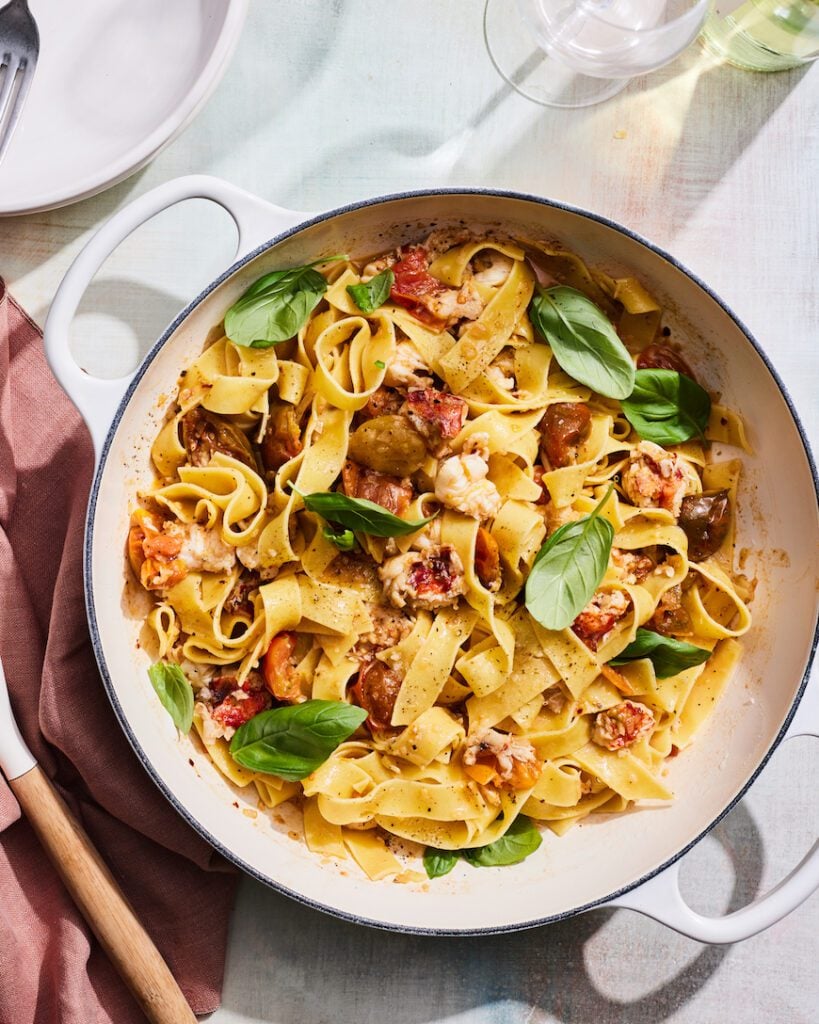
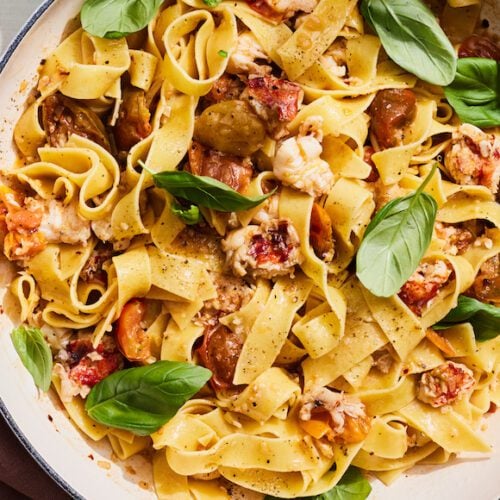
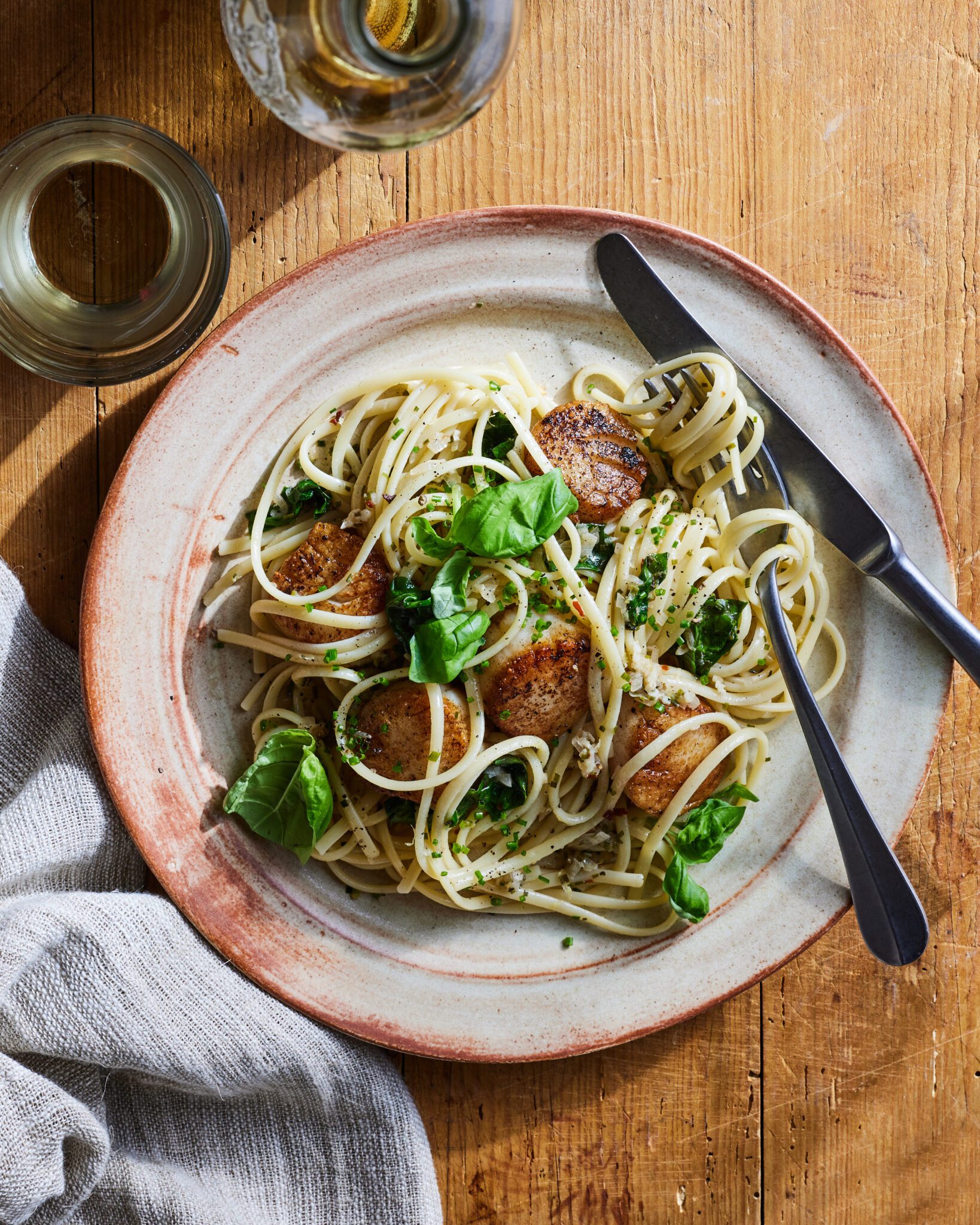
Hot weather calls for bold, beautiful food, and Summer Lobster Pasta is exactly the kind of dish I want when the days are long and the tomatoes are at peak perfection. Tender, sweet lobster gets tossed with cherry tomatoes, garlic, shallots, white wine, and plenty of butter, then finished with fresh basil and a bright squeeze of lemon. The whole thing comes together in about 25 minutes, which means you spend less time at the stove and more time outside where you belong. If you love cooking with seafood in the summer, my Summer Seafood Pasta with White Wine Sauce is another weeknight favorite worth bookmarking. Round out the meal with a bowl of The Best Summer Gazpacho to start, and mix up a batch of 22 Easy Summer Cocktails to keep the good vibes going all night long.
Summer Lobster Pasta at a Glance
- 🕒 Total Time: 25 minutes (5 min prep + 20 min cook)
- 👪 Servings: 6
- 🍝 Cuisine Type: Mediterranean / Italian-Inspired Seafood
- 🧂 Flavor Profile: Sweet lobster and jammy burst cherry tomatoes in a garlicky white wine butter sauce, with fresh basil, lemon, and a little red pepper heat
- 📖 Dietary Info: Contains shellfish (lobster), dairy (butter), and gluten (pasta); easily made gluten-free with GF pasta
- 📦 Storage Notes: Refrigerate airtight for 1 to 2 days max (lobster is best fresh); reheat gently over low heat with a splash of water; freezing not recommended (the lobster turns rubbery)
- ⭐Why You'll Love It: Sweet lobster, burst cherry tomatoes, and a garlicky white wine butter sauce over ribbons of pasta in 25 minutes. It tastes like a splurgy restaurant dinner, but it's genuinely weeknight-easy. This is the dish I make when summer tomatoes and lobster season overlap and I want everyone to think I worked way harder than I did.
Summarize and save this content on
Why I Love This Recipe
It’s been a minute since I’ve had lobster in any form… and that’s not okay with me. I missed out on our annual trip to Maine, so I’m remedying my lobster cravings with a few things… one is this Summer Lobster Pasta. And two… lobster rolls!!
Today, we're diving into this Lobster Pasta! Lobster pasta is equal parts luxurious and decadent that combines the rich, sweet flavors of lobster with our favorite carb here on WGC... pasta. This seemingly elegant (yet incredibly simple) meal if made with white wine, butter, and fresh herbs, making it the perfect choice for special dinners in the summer months. Whether you’re hosting a chic dinner party or making dinner for two, lobster pasta is the fastest way to impress!
Jump to:
Ingredients
Substitutions & Swaps
🦞 Lobster
- 1 pound cooked lobster meat - Skips the boil entirely and cuts prep to almost nothing. Fold it in during the last 60 seconds just to warm through so the meat stays tender and does not turn rubbery.
- Langostino tails - The smart budget move. They come pre-cooked and have that same sweet, briny flavor as lobster. Add them at the very end exactly like picked lobster meat so they only heat through.
- Jumbo shrimp (U10 or U12) - Sear them two minutes per side in the olive oil before you build the sauce, then pull them out and add back at the finish. The larger count means they stay meaty and do not disappear into the pasta.
- Dungeness or king crab legs (meat picked) - Already sweet and fully cooked, so all you need to do is warm the meat in the butter for the last minute. The slightly briny edge of crab plays beautifully against the burst tomatoes.
- Frozen lobster tails - Completely fine here. Thaw them overnight in the fridge, not under running water, so the texture stays firm and the meat does not get waterlogged before it hits the pan.
🍝 Pasta
- Pappardelle - Wide, flat ribbons that make the dish feel genuinely luxe. The broad surface area catches and holds the buttery tomato sauce in a way that thinner pasta simply cannot.
- Bucatini - The hollow center literally pulls sauce inside every strand, so you get sauce flavor in each bite rather than just on the outside. Great call when the sauce is as good as this one.
- Linguine or spaghetti - The classic Italian seafood pasta shapes for a reason. They twirl easily and keep the focus on the lobster and tomatoes rather than the noodle itself. Swap one-to-one with no adjustments.
🍅 Cherry Tomatoes
- Sungold cherry tomatoes - Sweeter and jammier than standard red cherries with a golden color that looks stunning in the final dish. When they burst, they release a honeyed, slightly tropical juice that makes the sauce taste almost caramelized.
- Chopped heirloom tomatoes - Juicier than cherry tomatoes, so add them and then simmer two extra minutes to let the excess liquid cook off and concentrate. You get a deeper, more complex tomato flavor, but the sauce needs that extra time to stay glossy.
- Drained fire-roasted canned tomatoes - The reliable off-season move when summer tomatoes are not worth buying. Drain them well before they go in or the extra liquid will make the sauce watery and dull instead of glossy and clinging.
🍷 Dry White Wine
- Sauvignon Blanc - Bright and grassy with enough acidity to sharpen the sweetness of the tomatoes and cut through the richness of the butter. A Sancerre here is a serious upgrade if you have one open.
- Pinot Grigio - Lighter and more neutral than Sauvignon Blanc, which means it steps back and lets the lobster and tomatoes carry the dish. Best choice when you want the seafood to be the loudest thing on the plate.
- Seafood stock or clam juice - The booze-free swap that still gives you the briny, savory depth the wine is adding. Clam juice is more intense, so start with half the amount and taste before adding more. Both keep the sauce from turning flat.
🌿 Basil and Lemon Finish
- Fresh flat-leaf parsley - A cleaner, more neutral herb that will not wilt as fast as basil when it hits the hot pasta. It keeps the dish bright without competing with the lobster, which is the right call if your basil is looking tired.
- Fresh tarragon (small amount) - Tarragon has a natural affinity for shellfish and adds a subtle anise note that makes the lobster taste sweeter. Use about half the amount you would basil because it is assertive and can take over quickly.
- Calabrian chili oil in place of red pepper flakes - Drizzle it over at the finish instead of cooking the flakes into the sauce. The heat is fruitier and more complex than dried flakes and it adds a glossy, restaurant-style finish to each bowl.
- Meyer lemon zest and juice - Sweeter and more floral than a standard lemon, with less of the sharp edge. If your tomatoes are very acidic, Meyer lemon keeps the whole dish in balance without making it taste like it is fighting itself.
How to Make The Perfect Summer Lobster Pasta
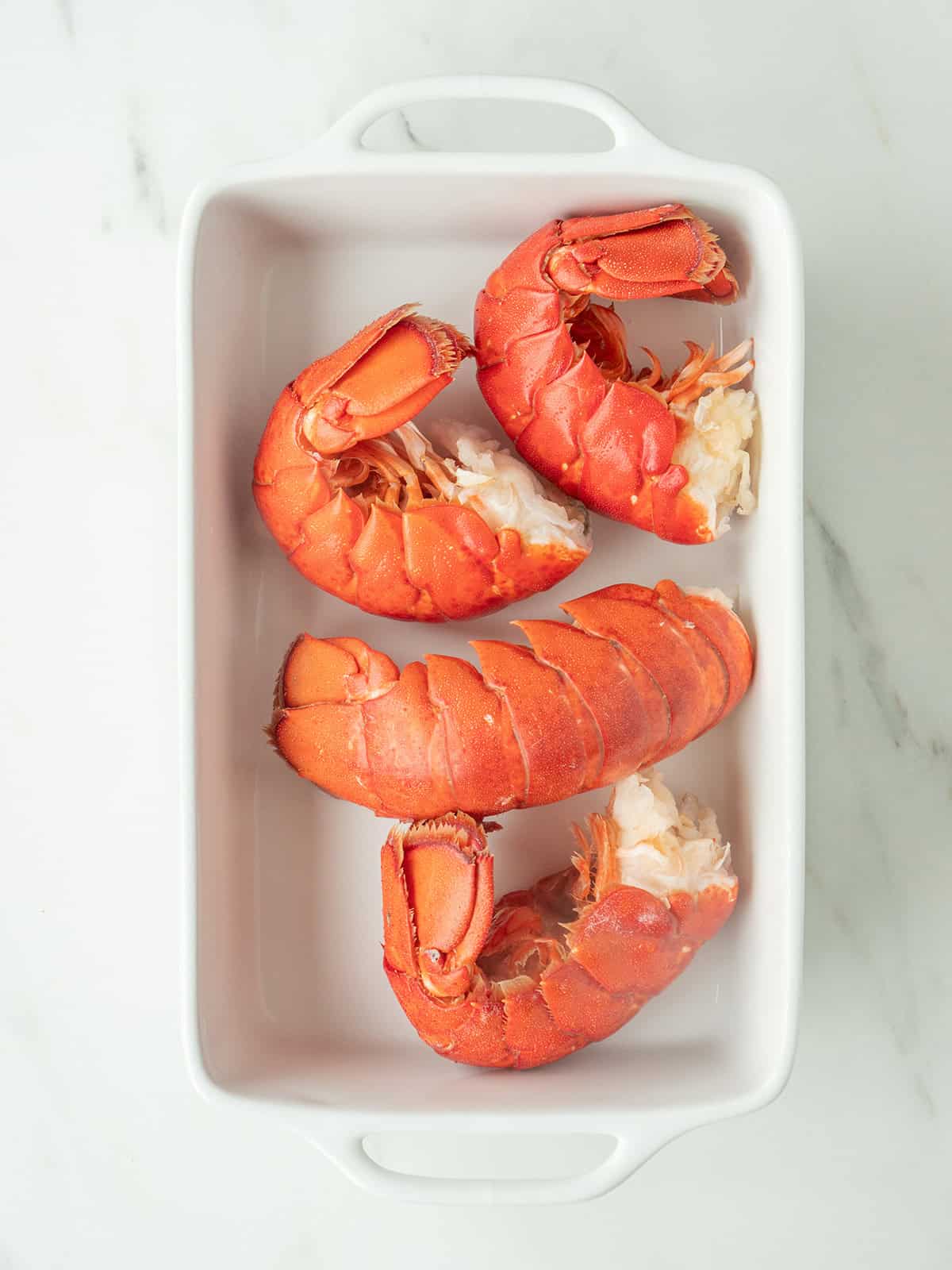
Step 1: If using whole lobsters, cook them in boiling water for 6-8 minutes until bright red.
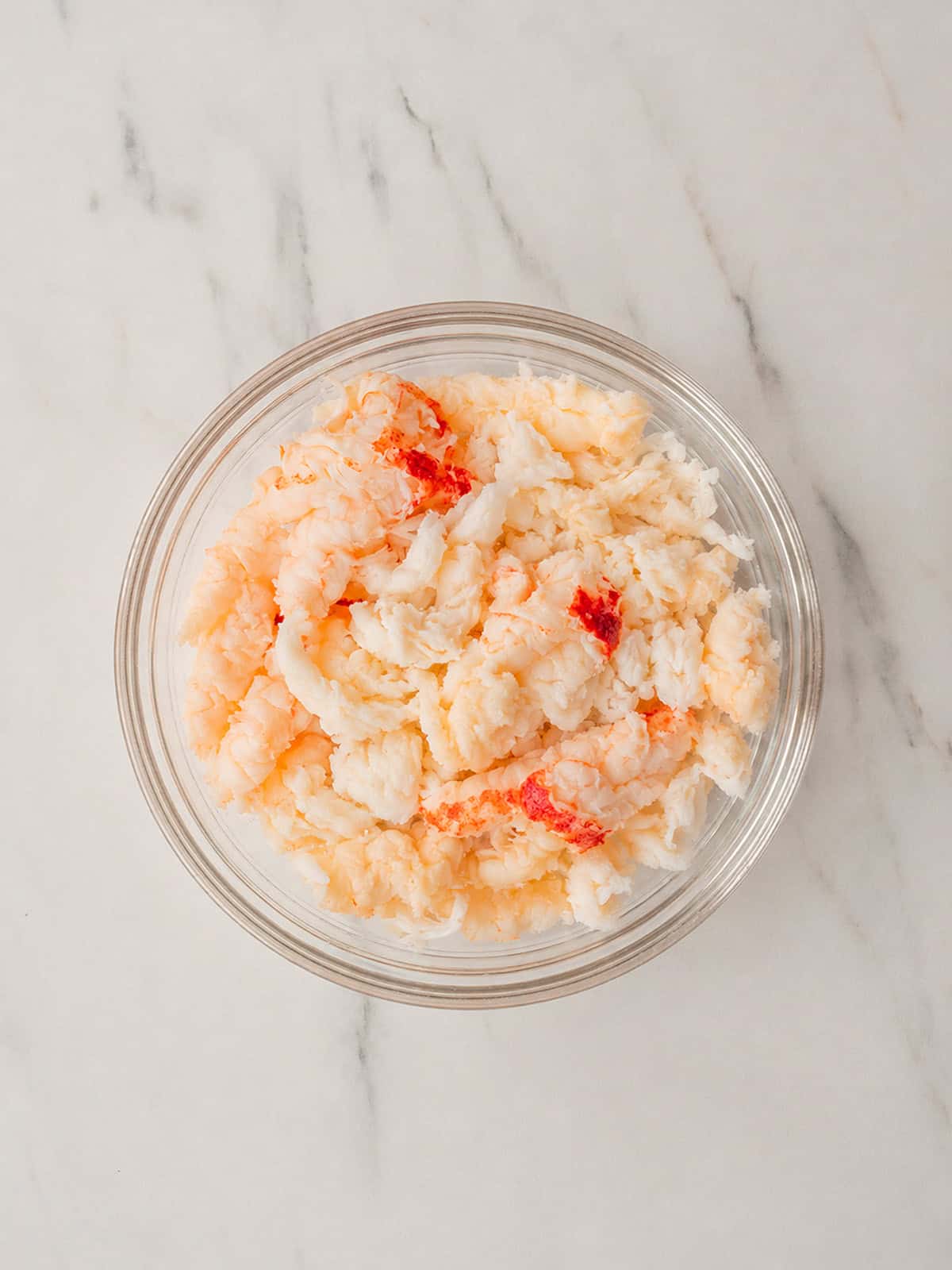
Step 2: Remove from boiling water, cool completely, and remove the meat from tail, claws and knuckles, and chop into large chunks.
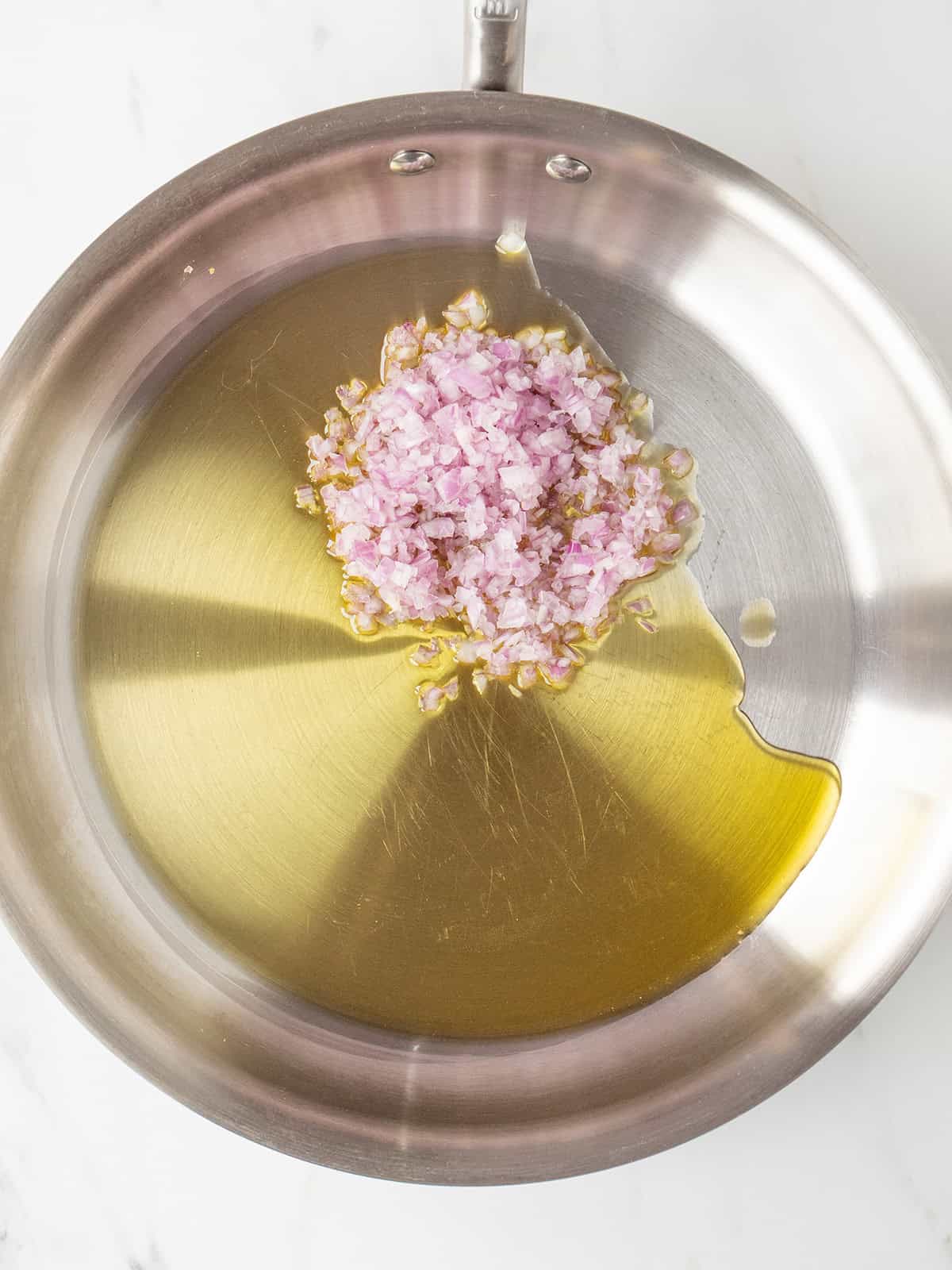
Step 3: Bring a pot of water to a boil and cook pasta.
While the pasta is cooking, heat the olive oil in a large skillet over medium-high heat. Add shallots and cook for 1 minute, until fragrant.
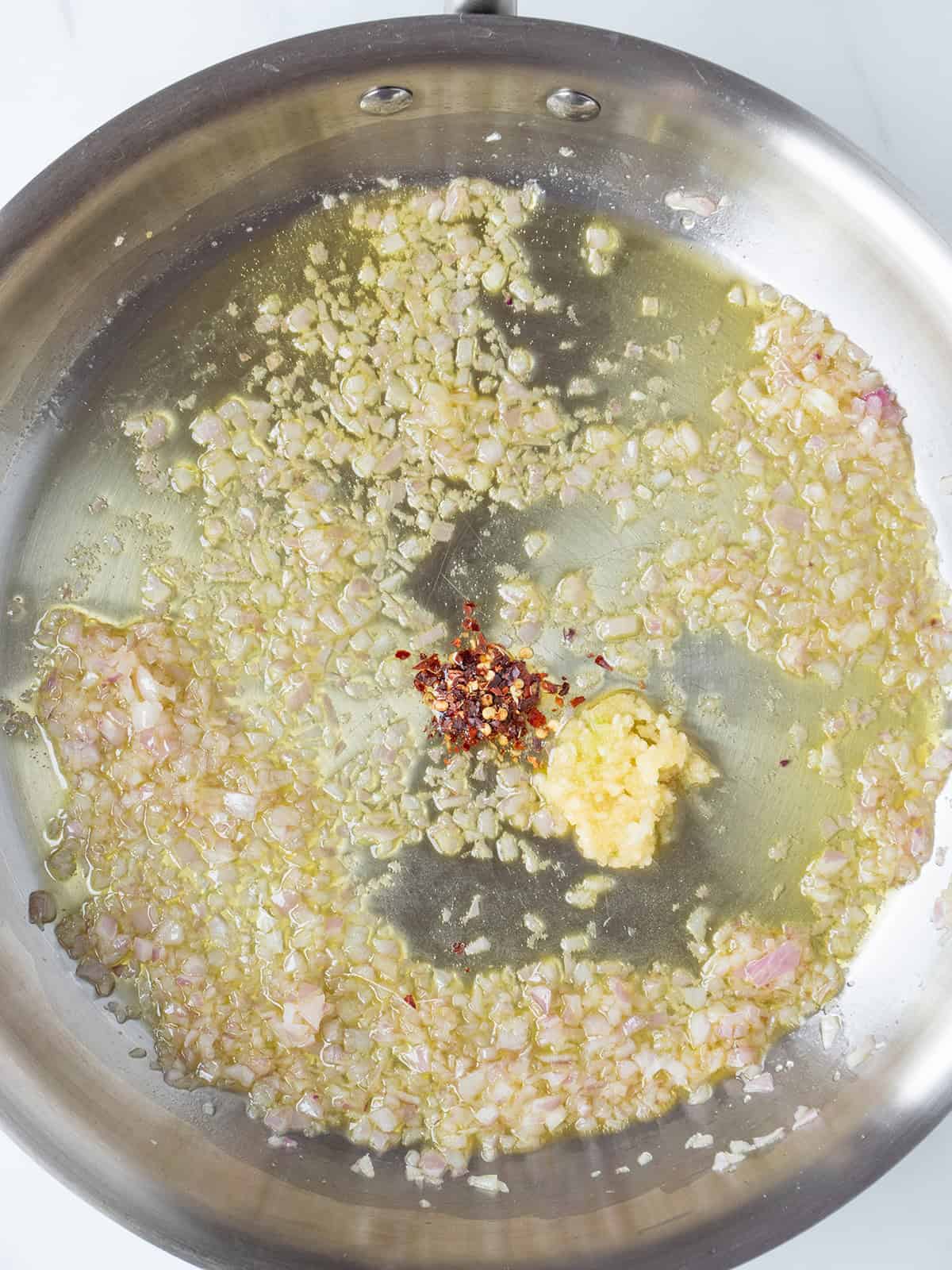
Step 4: Add garlic and red pepper and cook for 30 seconds.
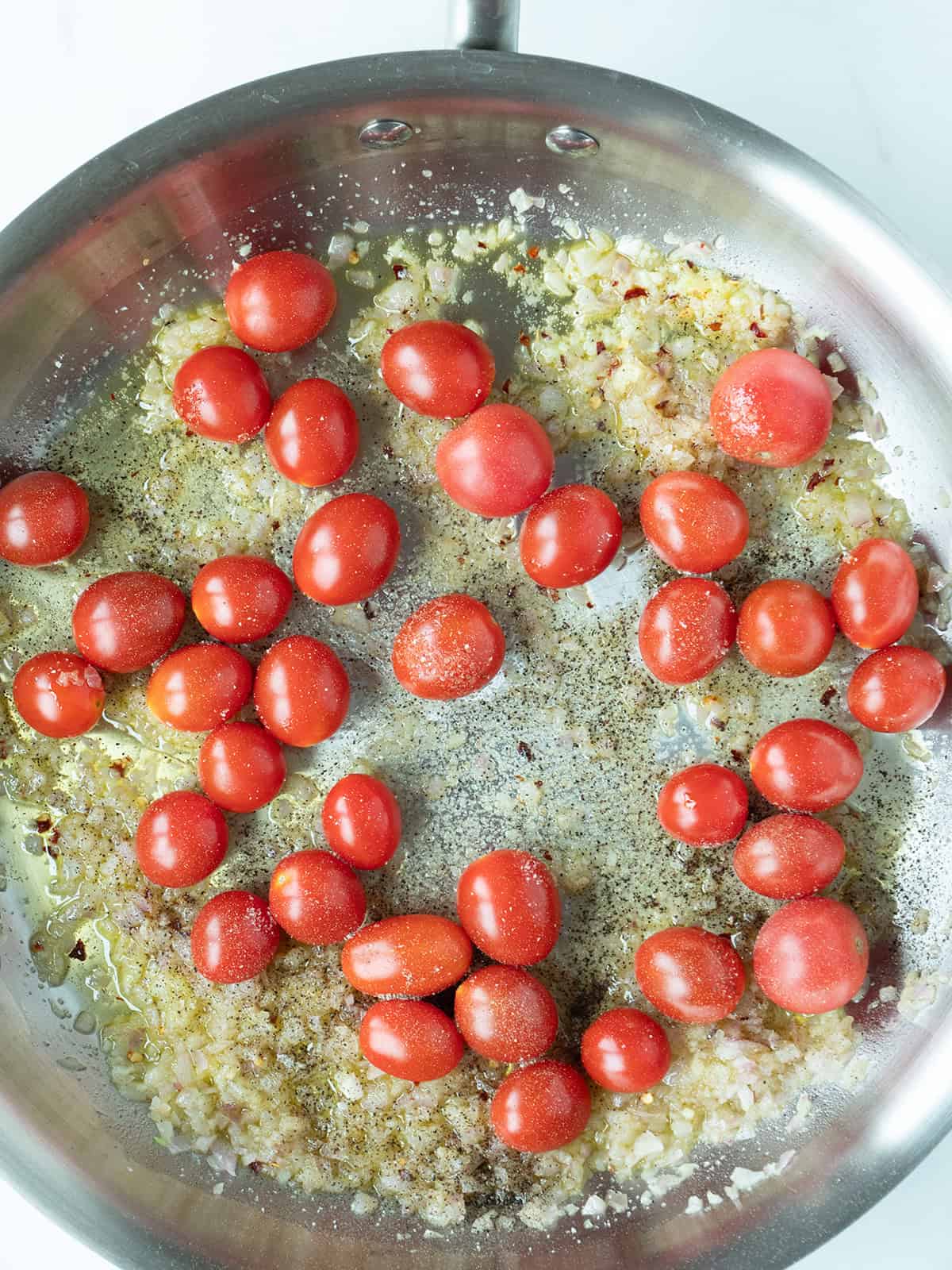
Step 5: Add tomatoes and season generously with salt and pepper; let cook until the tomatoes start to burst.
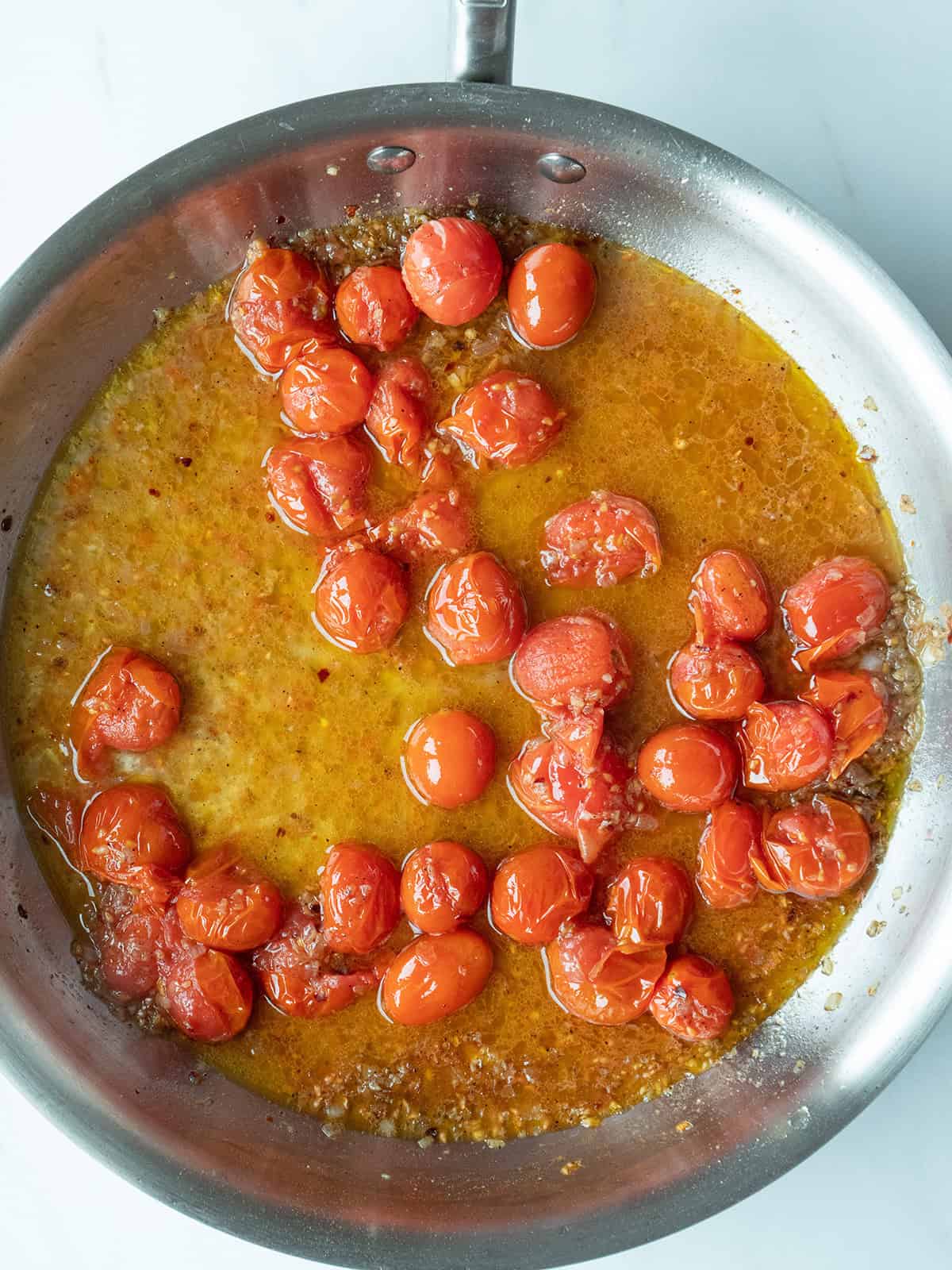
Step 6: Add the white wine and cook until reduced.
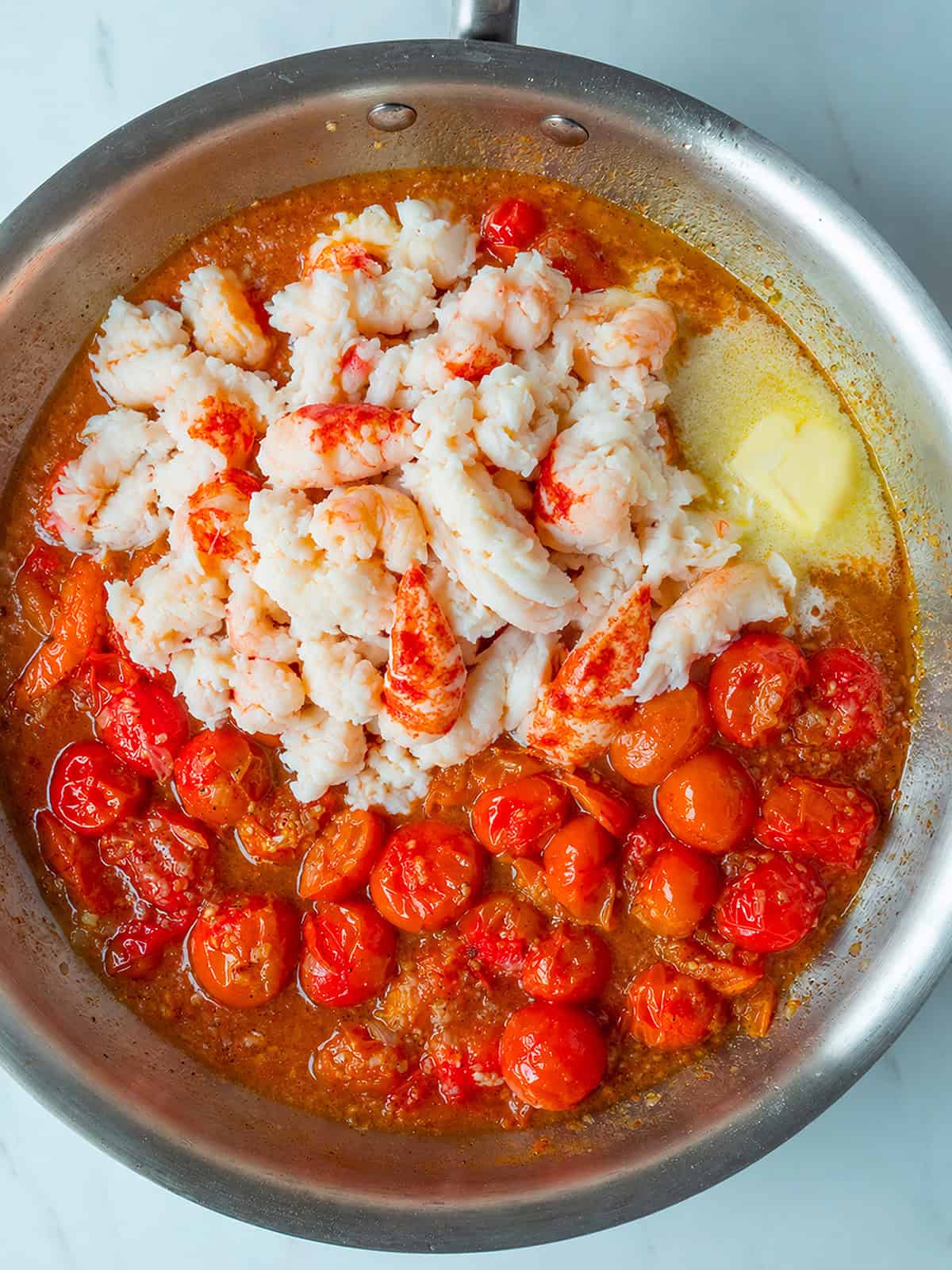
Step 7: Turn off the heat, add the lobster meat and butter, and stir gently until the butter melts and the lobster is just warmed through.
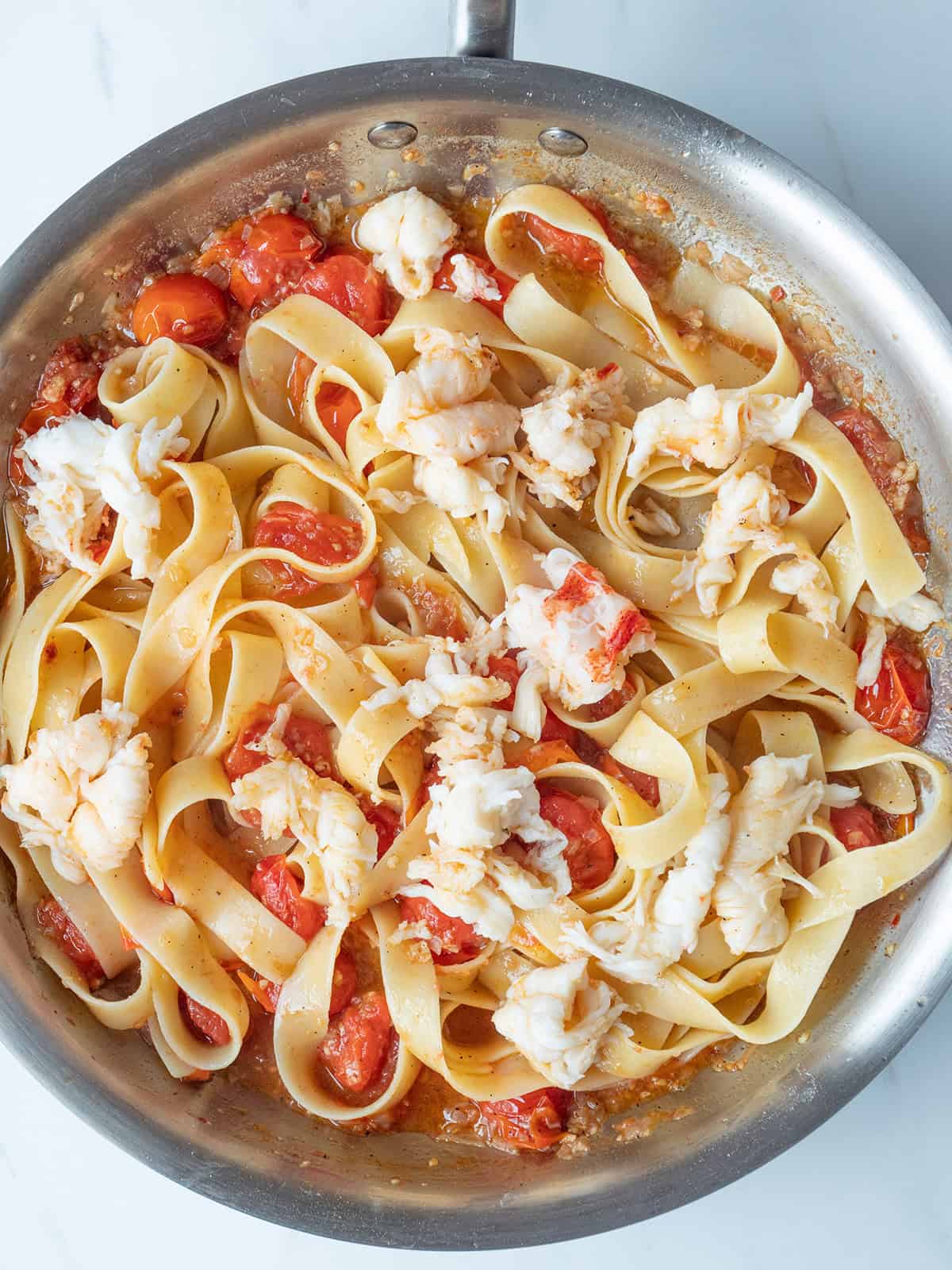
Step 8: When pasta is al dente, drain it and add to skillet, and season with salt and pepper.
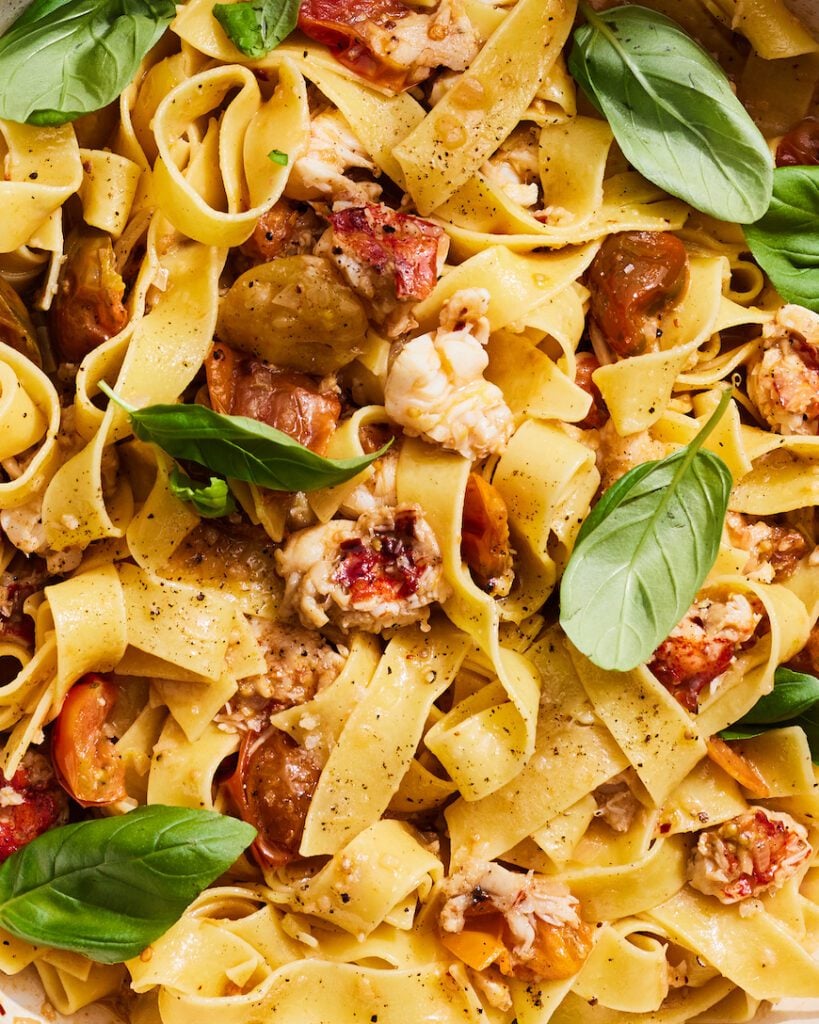
Step 9: Toss well and transfer to a large serving platter. Add basil, lemon zest, and lemon juice, toss once more, and serve immediately.
🦞🍝🍋 Tips & Tricks for the Best Perfect Summer Lobster Pasta
Sweet lobster, burst tomatoes, and a garlicky white wine butter sauce over pasta in 25 minutes flat.
- Salt your pasta water until it tastes like the sea. Lobster pasta has a delicate sauce that does not re-season the noodles the way a heavy ragu would. Under-salted pasta will make the whole dish taste flat no matter how perfect your sauce is.
- Pull the pasta two full minutes before the package directions say it is done. The noodles finish cooking directly in the sauce, absorbing the white wine, butter, and tomato liquid as they go. If you cook them to al dente in the pot first, they will be overcooked and mushy by the time they hit the bowl.
- Reserve at least one full cup of pasta water before you drain. The starchy cooking water is your emulsifier. Adding it a splash at a time as you toss the pasta with the butter and sauce is what makes the coating glossy and cohesive instead of greasy and separated.
- Let the cherry tomatoes sit undisturbed in the pan for two to three minutes before stirring. Leaving them alone lets them blister and burst on one side, releasing their juices into the olive oil and building a jammy, slightly caramelized base. Stirring too early steams them instead of blistering them.
- Add the wine before the garlic has a chance to brown. Garlic goes from golden to bitter in seconds over medium-high heat. Deglazing with the white wine the moment the garlic is fragrant stops the cooking and lifts all the fond from the pan without any burnt flavor getting into your sauce.
- Add the lobster meat at the very end, off the heat. Lobster is already cooked and it overcooks almost instantly. Residual heat from the pasta and sauce is enough to warm it through. Returning it to active heat turns the meat rubbery and tough.
- Swirl the butter in cold, straight from the fridge, one tablespoon at a time. Cold butter emulsifies into the sauce gradually, creating a velvety, restaurant-style finish. Room-temperature butter melts too fast and breaks the emulsion, leaving you with a greasy, separated sauce instead of a glossy one.
- Zest the lemon before you juice it, and add the zest separately from the juice. The zest goes in with the butter at the finish for fragrant citrus oils that brighten the whole dish. The juice is added last, right before serving, as an acid balance. Combining them ahead of time dulls both effects.
- Bloom the red pepper flakes in the olive oil before adding any other aromatics. Fat-soluble capsaicin compounds in the pepper flakes need direct contact with hot oil to fully release their flavor and color. Adding them dry to a wet sauce at the end produces a sharp, raw heat rather than a warm, integrated spice.
- Tear the basil rather than cutting it, and add it off the heat. A knife blade crushes the cell walls and causes basil to oxidize and turn black almost immediately. Tearing leaves keeps more of the volatile oils intact, and adding it off the heat preserves the fresh green flavor without wilting it into the sauce.
- Use a wide, straight-sided skillet rather than a deep pot for this sauce. More surface area means the white wine reduces faster, the tomatoes blister instead of steam, and you can toss the pasta directly in the pan without it piling up and breaking apart. A high-sided pot traps steam and slows down every step of this recipe.
The Perfect Summer Lobster Pasta FAQs
What is The Perfect Summer Lobster Pasta?
The Perfect Summer Lobster Pasta is a Mediterranean-inspired Italian seafood pasta that combines sweet chunks of lobster with burst cherry tomatoes, shallots, garlic, dry white wine, and butter, finished with fresh basil and lemon zest. It comes together in about 25 minutes and works equally well as a weeknight dinner or a showstopping dish for a summer dinner party. The dish is light but rich, built around peak-season ingredients, and requires no special equipment or advanced technique.
Can I use pre-cooked lobster meat instead of whole lobster tails?
Yes, one pound of pre-cooked lobster meat is a direct swap for the four lobster tails called for in the recipe. Because the meat is already cooked, fold it into the sauce at the very end and heat it only until warmed through, about 1 to 2 minutes. Any longer and it turns rubbery, which wastes expensive lobster.
What pasta shape works best for this recipe?
Pappardelle is the top pick here. The wide ribbons catch the buttery white wine sauce and make the whole dish feel noticeably more luxurious. Bucatini is a close second because its hollow center pulls sauce into every strand. Linguine and spaghetti are classic seafood-pasta shapes and work fine as a 1:1 swap. If you're going gluten-free, use a long GF pasta and pull it about a minute earlier than the package says, since GF pasta overcooks quickly once it hits a hot sauce.
What can I use instead of white wine in the sauce?
Seafood stock or clam juice are the best non-alcoholic substitutes and keep the briny depth intact. If you have dry vermouth in the pantry, use about three-quarters of the amount called for since it's more concentrated and intense than wine. Sauvignon Blanc and Pinot Grigio both work well as written; Sauvignon Blanc sharpens the tomatoes and cuts the butter, while Pinot Grigio stays neutral and lets the lobster flavor lead.
How do you store and reheat leftover lobster pasta?
Store leftovers in an airtight container in the refrigerator for 1 to 2 days maximum. Reheat gently over low heat with a small splash of water to loosen the sauce. Freezing is not recommended because lobster turns rubbery and grainy after freezing and thawing, and the pasta texture suffers as well. This dish is genuinely best eaten the night it is made.
How do you keep the lobster from overcooking when building the pasta sauce?
Cook the lobster tails first, pull the meat out of the shells, and set it aside while you build the sauce. Add the lobster back in during the final 1 to 2 minutes, just long enough to warm it through and let it absorb a little of the sauce. Overcooked lobster turns tough and chewy fast, so treat that final step as warming rather than cooking.
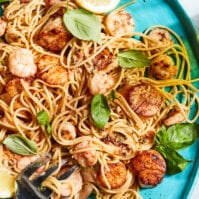
Summer Lobster Pasta
Ingredients
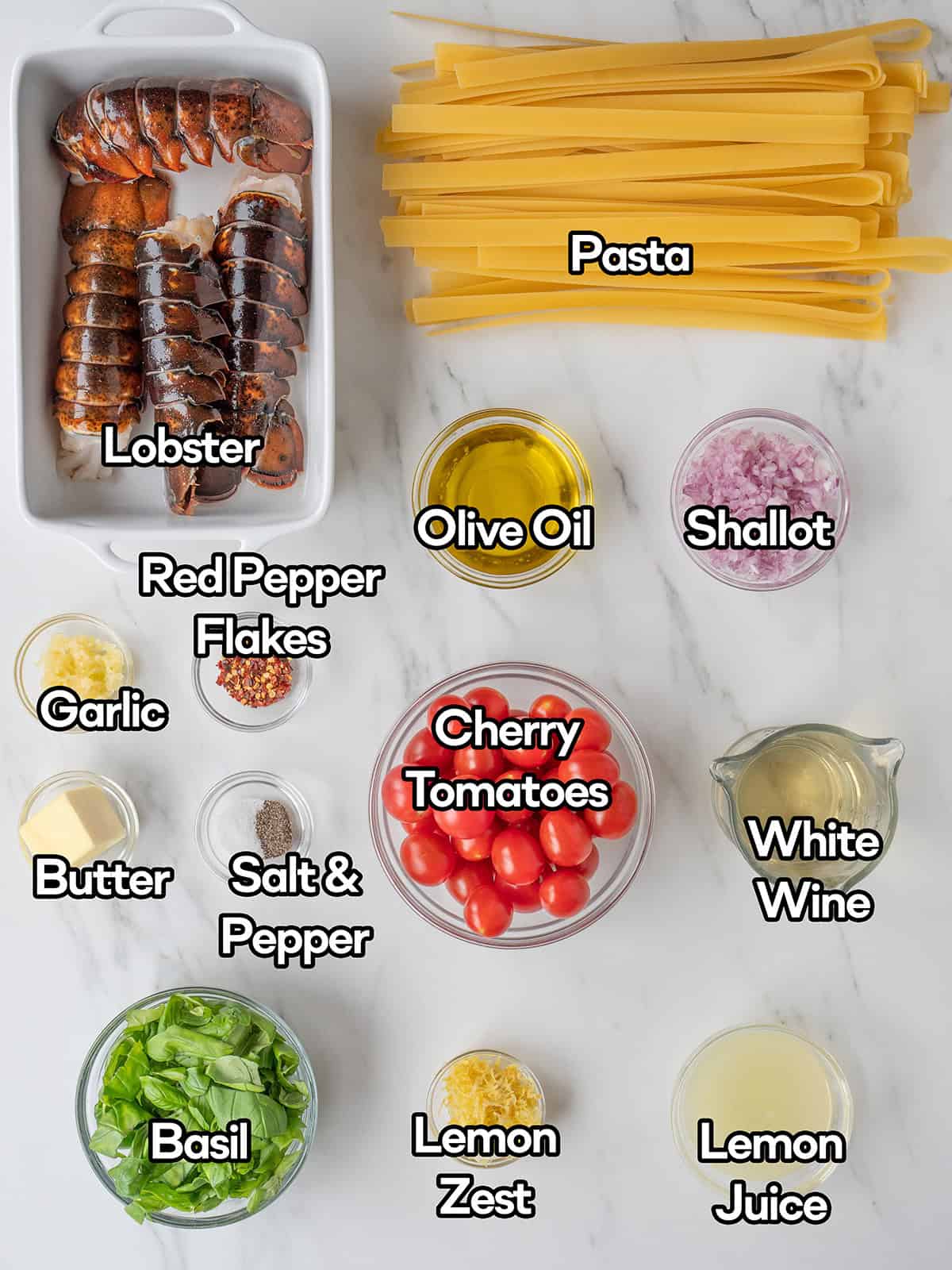
- 4 lobster tails 8oz-10oz each, (or 1 pound cooked lobster meat)
- 1 pound pasta
- 4 tablespoons olive oil
- 2 large shallots finely diced
- 6 garlic cloves minced
- 1 teaspoon red pepper flakes
- 2 cups cherry tomatoes halved
- ½ cup dry white wine
- 2 tablespoons unsalted butter
- Kosher salt and freshly cracked pepper
- 2 handfuls basil leaves torn or roughly chopped
- 1 Lemon, zested and juice
Instructions
- If using whole lobsters, cook them in boiling water for 6-8 minutes until bright red. Remove from boiling water, cool completely, and remove the meat from tail, claws, and knuckles, and chop into large chunks.
- Bring a pot of water to a boil and cook pasta.
- While the pasta is cooking, heat the olive oil in a large skillet over medium-high heat. Add shallots and cook for 1 minute, until fragrant. Add garlic and red pepper and cook for 30 seconds. Add tomatoes and season generously with salt and pepper; let cook until the tomatoes start to burst. Add the white wine and cook until reduced. Turn off the heat, add the lobster meat and butter, and stir gently until the butter melts and the lobster is just warmed through.
- When pasta is al dente, drain it, and add to skillet, and season with salt and pepper. Toss well and transfer to a large serving platter. Add basil, lemon zest, and lemon juice; toss once more and serve immediately.
Notes
- Pull the pasta two full minutes before the package directions say it is done. The noodles finish cooking directly in the sauce, absorbing the white wine, butter, and tomato liquid as they go. If you cook them to al dente in the pot first, they will be overcooked and mushy by the time they hit the bowl.
- Reserve at least one full cup of pasta water before you drain. The starchy cooking water is your emulsifier. Adding it a splash at a time as you toss the pasta with the butter and sauce is what makes the coating glossy and cohesive instead of greasy and separated.
- Let the cherry tomatoes sit undisturbed in the pan for two to three minutes before stirring. Leaving them alone lets them blister and burst on one side, releasing their juices into the olive oil and building a jammy, slightly caramelized base. Stirring too early steams them instead of blistering them.
- Add the wine before the garlic has a chance to brown. Garlic goes from golden to bitter in seconds over medium-high heat. Deglazing with the white wine the moment the garlic is fragrant stops the cooking and lifts all the fond from the pan without any burnt flavor getting into your sauce.
- Add the lobster meat at the very end, off the heat. Lobster is already cooked and it overcooks almost instantly. Residual heat from the pasta and sauce is enough to warm it through. Returning it to active heat turns the meat rubbery and tough.
- Swirl the butter in cold, straight from the fridge, one tablespoon at a time. Cold butter emulsifies into the sauce gradually, creating a velvety, restaurant-style finish. Room-temperature butter melts too fast and breaks the emulsion, leaving you with a greasy, separated sauce instead of a glossy one.
- Zest the lemon before you juice it, and add the zest separately from the juice. The zest goes in with the butter at the finish for fragrant citrus oils that brighten the whole dish. The juice is added last, right before serving, as an acid balance. Combining them ahead of time dulls both effects.
- Bloom the red pepper flakes in the olive oil before adding any other aromatics. Fat-soluble capsaicin compounds in the pepper flakes need direct contact with hot oil to fully release their flavor and color. Adding them dry to a wet sauce at the end produces a sharp, raw heat rather than a warm, integrated spice.
- Tear the basil rather than cutting it, and add it off the heat. A knife blade crushes the cell walls and causes basil to oxidize and turn black almost immediately. Tearing leaves keeps more of the volatile oils intact, and adding it off the heat preserves the fresh green flavor without wilting it into the sauce.
- Use a wide, straight-sided skillet rather than a deep pot for this sauce. More surface area means the white wine reduces faster, the tomatoes blister instead of steam, and you can toss the pasta directly in the pan without it piling up and breaking apart. A high-sided pot traps steam and slows down every step of this recipe.



I'm looking forward to making this over the weekend. Any thoughts on adding a little heavy cream?
more than welcome to add!
I did, it was awesome!
We had some leftover lobster and this recipe was perfect! Buttery, garlicky, wine-y just absolutely yummy!
Sounds amazing! Can’t wait to try!
Fabulous!! Used Costco Argentine shrimp and so good!!
Thank you Gaby
how much lemon zest and lemon juice did you use?
1 LEMON!
I was delish but I think my lobster 1.3lbs was too small for 2 people
I had a picture to share!
Hi there, I prefer to cook without wine for my kids - can I replace wine with chicken bone broth or other? Thank u so much can’t wait to make this!
sure!
This is served as a hot dish? Ok at room temp? I have a package of frozen lobster in my lake freezer, this would be awesome for a Labor Day pot luck!
warm!
This sounds amazing. If using precooked lobster what brand do you recommend? And where do i buy? Intimidated about cooking my own lobster.
Lobster doesnt have a brand - you can buy pre-cooked lobster meat and chop it up from the seafood counter
Simply phenomenal! I always worry about “summer” pastas still feeling heavy or not packing enough flavor. Search no more. Incredible recipe and adding some home grown basil was perfect! I was heavy handed with the red pepper flakes for personal taste but otherwise follow this one to a T because it is flawless! So delicious!
Made this last night and will definitely be making it again soon!! So yummy!!
Delicious! Made with fresh pasta and prawns instead of lobster 🙂
I used salmon and it was delicious too!
What a great recipe! I do have one confusion, though. You say “if you have access to…whole live lobsters” - and then say drop the tails in the water. That’s how to cook tails, not whole live lobsters, right? (I was looking forward to your explanation about live ones.)
You boil live lobsters the same you would the tail. Only difference is you either boil them while they are alive (not my preference) or plunge a knife straight down into the carapace (part of exoskeleton on the lobster's back) which kills them instantly. the legs might continue to move but they are in fact, dead.
Delicious!!! Such a lovely light and fresh pasta dish for summer!! I subbed chives for basil because I had some left over from the weekend. I even made homemade fettuccini and it still was a quick and easy weeknight dinner! Another winner a Gaby!
Brilliant!
Easy to make. I used lobster tail. Knocked the socks off my guests. Served with Ceasar salad and panna cotta with luxardo cherries. Unbelievable!