
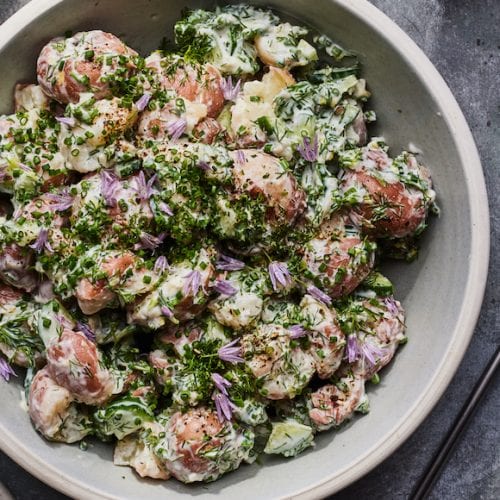
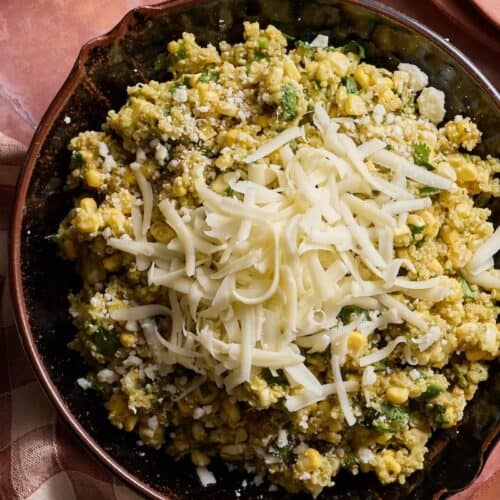
German Potato Salad is one of those recipes that feels like a warm hug from the past, and honestly I could eat it every single week without complaint. The tangy bacon vinaigrette, the tender potatoes, the whole thing just works in the most satisfying way. If you are a potato lover like me, you also need to bookmark my Fully Loaded Baked Potato Soup for cooler days. This salad is an absolute dream served alongside Grilled Beef Kebabs with Tzatziki at your next backyard cookout, or round out the whole spread with a bright and fresh Avocado Corn Salad to keep things seasonal and colorful.
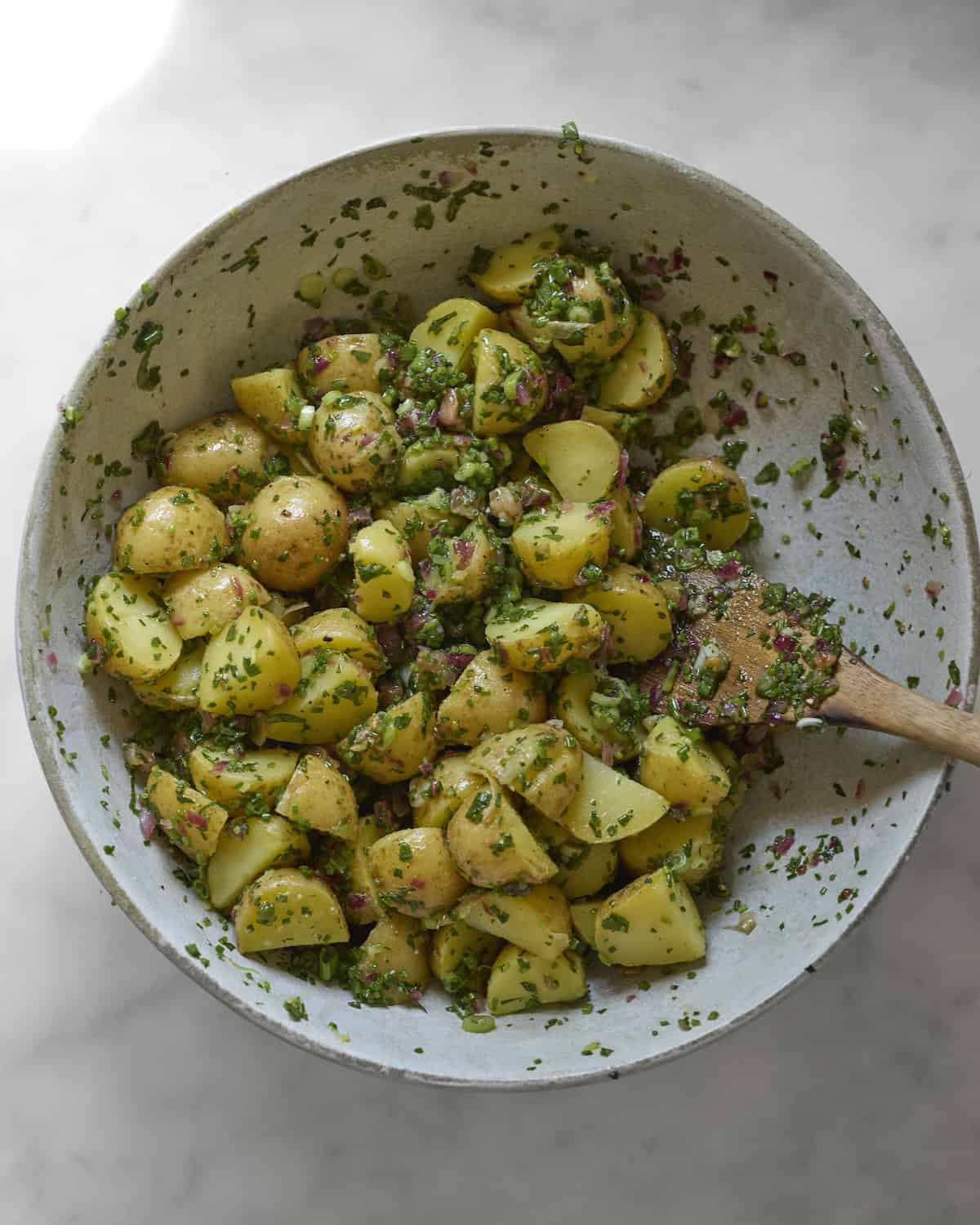
German Potato Salad at a Glance
- 🕒 Total Time: 30 minutes (5 min prep + 25 min cook)
- 👪 Servings: 6
- 🍝 Cuisine Type: German
- 🧂 Flavor Profile: Tangy champagne-vinegar and Dijon vinaigrette over tender baby potatoes with crispy pancetta, loads of chives, green onions, and parsley; zero mayo
- 📖 Dietary Info: Contains pork (pancetta); naturally gluten-free and dairy-free; not vegetarian as written (see the swaps for a bacon-free route)
- 📦 Storage Notes: Refrigerate covered for 3 to 4 days; genuinely great warm, room temp, or chilled; don't leave it out more than 2 hours at a cookout
- ⭐Why You'll Love It: This is my Omi's recipe, passed down for over 100 years. Warm baby potatoes soak up a sharp Dijon vinaigrette, crispy pancetta lands in every bite, and there's no mayo to babysit in the sun. It's the potato salad that converts mayo-potato-salad people.
Summarize and save this content on
Why I Love This Recipe
This is a timeless traditional recipe that has been passed down through my family over the past 100 years! My Omi and my Omi's Omi have been making the most incredible potato salad loaded with herbs, bacon, and a simple vinaigrette since I can remember. It's literal perfection, and it's hard not to eat it before throwing it on the table for a dinner party.
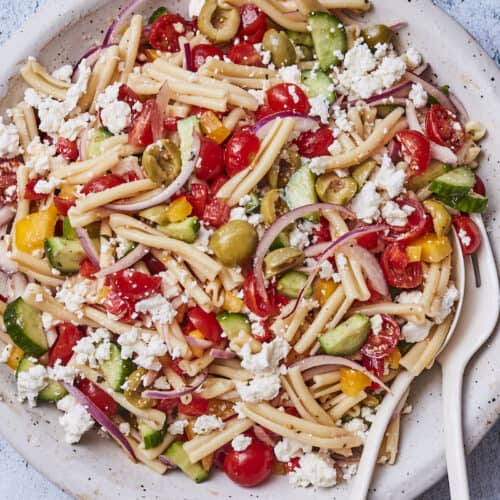
Just like my Easy Greek Pasta Salad, I'm obsessed with a vinaigrette-based potato salad, vs the traditional mayo-based American Potato Salads. I think it has something to do with my German roots and the tangy/acidic combo of the vinegar and potatoes.
Jump to:
Ingredients
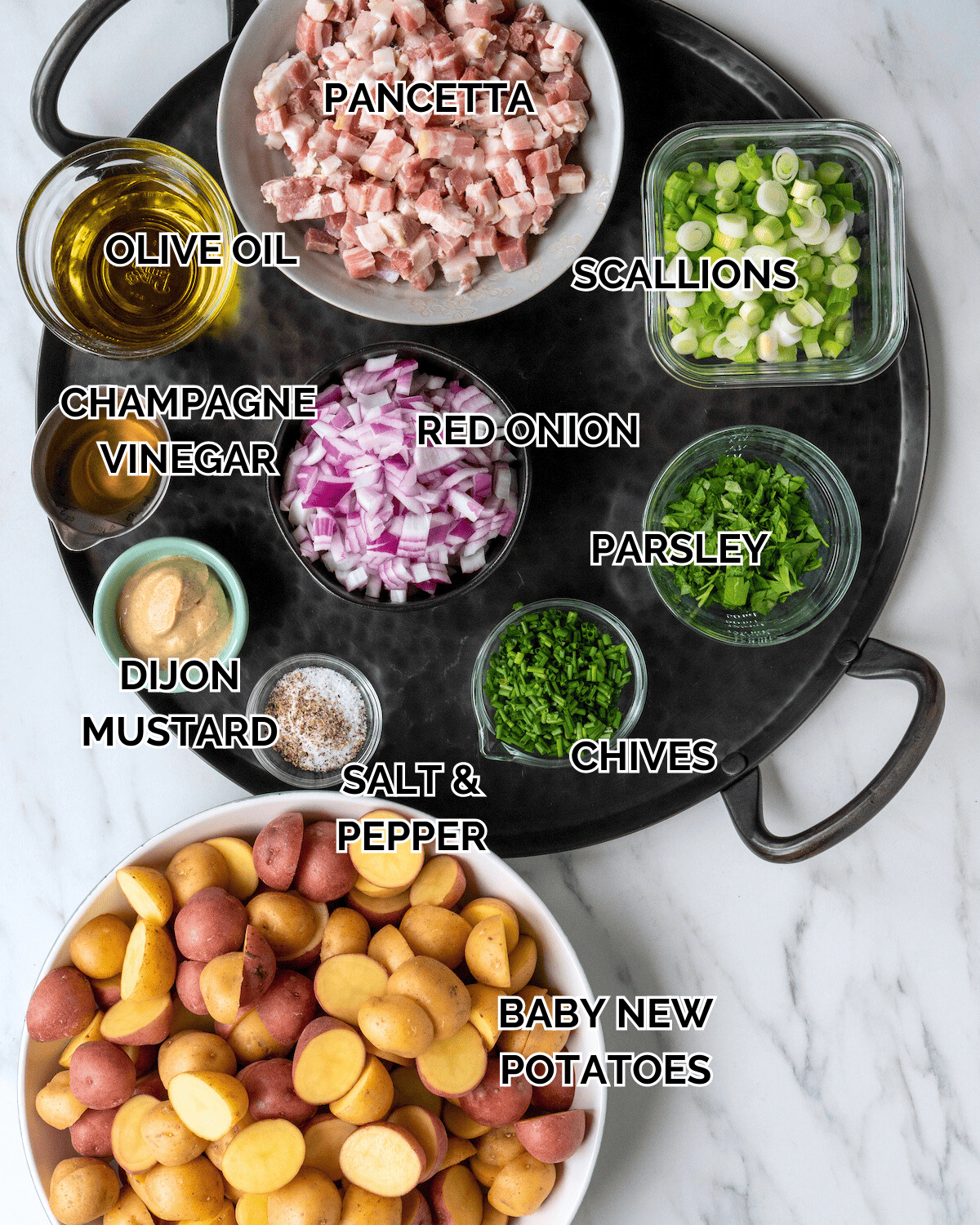
Substitutions & Swaps
🥔 Potatoes
- Yukon Gold potatoes (halved or quartered) - Yukons have a naturally buttery, waxy flesh that holds its shape after boiling and soaks up vinaigrette beautifully without turning to mush, making them the closest swap to baby new potatoes in both texture and flavor.
- Fingerling potatoes (halved lengthwise) - Their thin skin and dense, creamy interior mean they stay firm through boiling and tossing, and the oblong shape gives you great surface area for the warm dressing to cling to.
- Red potatoes (cut into 1-inch chunks) - Red potatoes are reliably waxy with a thin skin you do not need to peel, and their slightly earthy flavor pairs well with the sharp Dijon vinaigrette without competing with it.
🥓 Pancetta (or Bacon)
- Thick-cut bacon - Bacon renders more fat than pancetta, giving you a slightly smokier base for caramelizing the onion. Cut it into lardons before cooking so you get chunky, crispy bits in every bite.
- Guanciale (small diced) - Cured pork cheek has a higher fat-to-meat ratio than pancetta and a deeper, nuttier pork flavor that makes the rendered drippings for the dressing even more savory and complex.
- Smoked turkey bacon - For anyone avoiding pork, smoked turkey bacon still delivers the smokiness and a bit of rendered fat to cook the onion in, though you may need to add a splash of olive oil to the pan to make up for the lower fat content.
- Smoked paprika plus olive oil (vegetarian route) - If you want to skip the meat entirely, saute the onion in a generous pour of olive oil and finish the dressing with half a teaspoon of smoked paprika. It will not replicate pancetta but it does restore that subtle smokiness the recipe is built around.
🧅 Red Onion
- Shallots (thinly sliced) - Shallots are milder and sweeter than red onion and caramelize faster in the pancetta drippings, which means a more delicate allium flavor in the final dressing rather than a sharp bite.
- Sweet onion (Vidalia or Walla Walla, diced) - Sweet onions have a lower sulfur content so they mellow quickly in the hot pan and bring a gentle sweetness that balances the acidity of the champagne vinegar without the harshness raw red onion can leave behind.
- Leeks (white and light green parts, thinly sliced) - Leeks bring a subtle, almost grassy onion flavor and turn silky and soft in the rendered fat. Rinse them thoroughly after slicing since grit hides in the layers.
🍾 Champagne Vinegar
- White wine vinegar - The most direct swap and the one Gaby calls out in the post. It has the same bright acidity and clean finish as champagne vinegar without any noticeable difference once the dressing is tossed into warm potatoes.
- Apple cider vinegar - Adds a faint fruitiness and a touch more body to the dressing. Use the same quantity but taste as you go since quality varies and some brands are sharper than others.
- Sherry vinegar - A splash of sherry vinegar gives the dressing more depth and a slightly nutty, aged quality that pairs especially well with the caramelized onion and pancetta fat. Start with three tablespoons and add more to taste since it is more assertive than champagne vinegar.
- Rice wine vinegar (unseasoned) - The mildest option on this list. It keeps the dressing tangy without overpowering the herbs, which is a good move if you are serving guests who find vinegar-forward potato salad too sharp.
🌿 Fresh Herbs (Chives, Green Onions, Parsley)
- Fresh dill (in place of or alongside chives) - Dill is a classic German herb and fits this recipe naturally. Its feathery texture and anise-adjacent flavor add a layer that feels authentic to the recipe's roots without changing the character of the dish.
- Fresh tarragon (used sparingly, in place of parsley) - Tarragon has a mild licorice note that amplifies the Dijon vinaigrette. Use about half the quantity called for with parsley since it is more pungent and can take over if you go heavy.
- Flat-leaf Italian parsley (if curly parsley is all you have) - Flat-leaf parsley has a cleaner, more pronounced flavor than curly. Always reach for it over curly when you want the herb to actually contribute taste rather than just garnish.
- Celery leaves (in place of green onions) - The tender inner leaves of a bunch of celery bring a mild bitterness and fresh grassy note similar to green onion tops. They also add a slight crunch that works well against the soft potatoes.
How to Make German Potato Salad
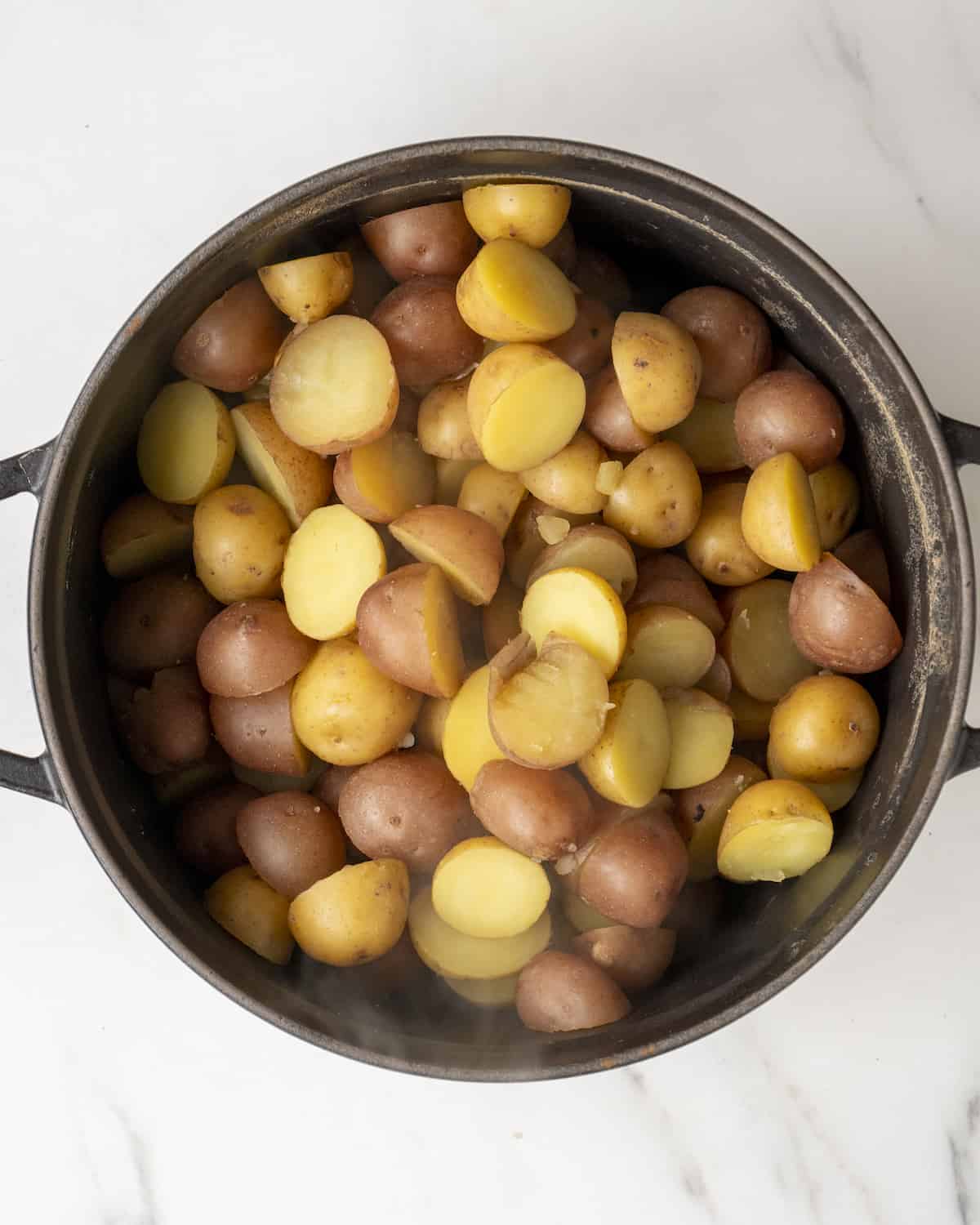
Step 1: Start by boiling the potatoes until fork tender. Then drain and set aside in a bowl.
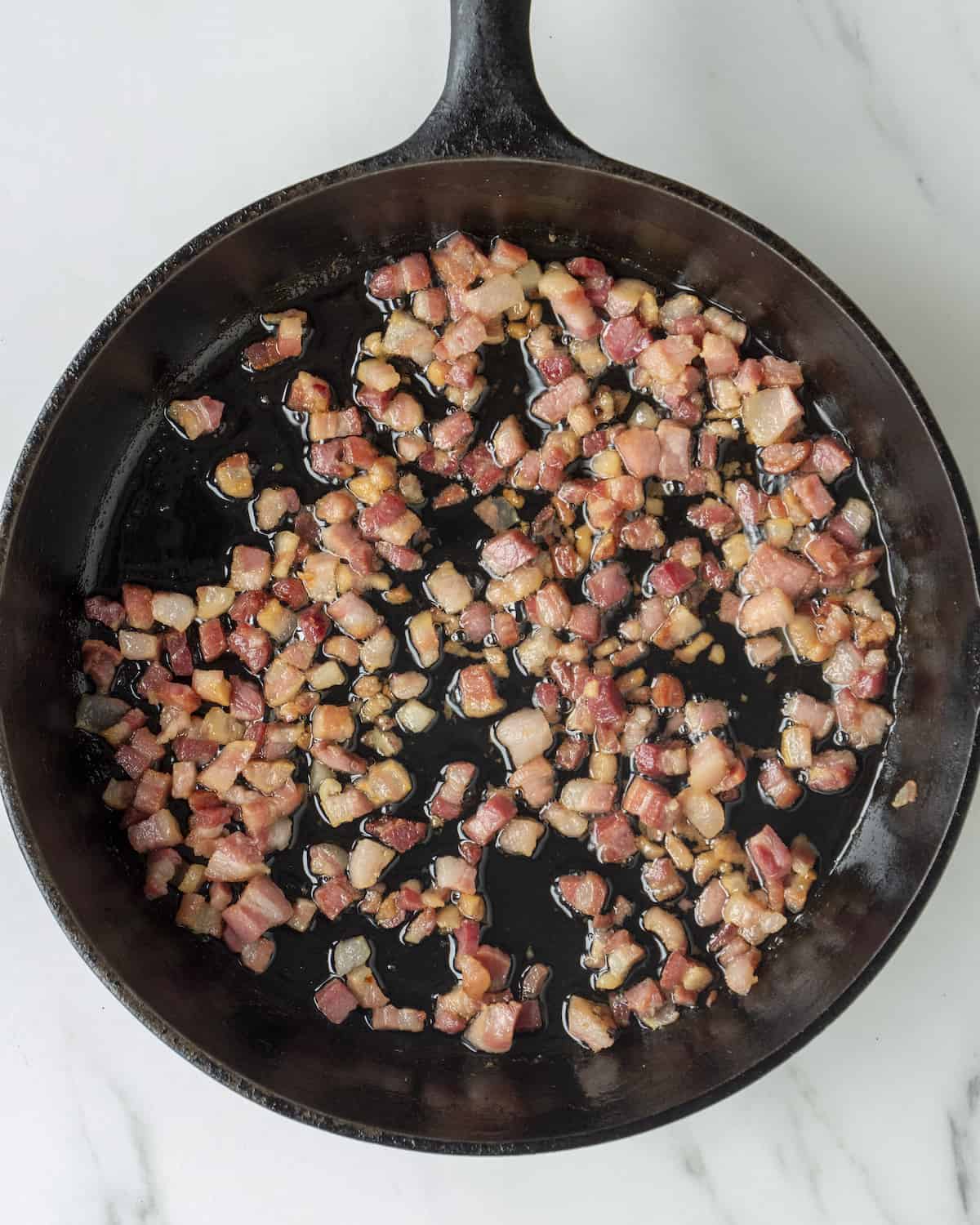
Step 2: Make the vinaigrette. Fry the pancetta until browned and crisp. Then remove it from the pan and set aside.
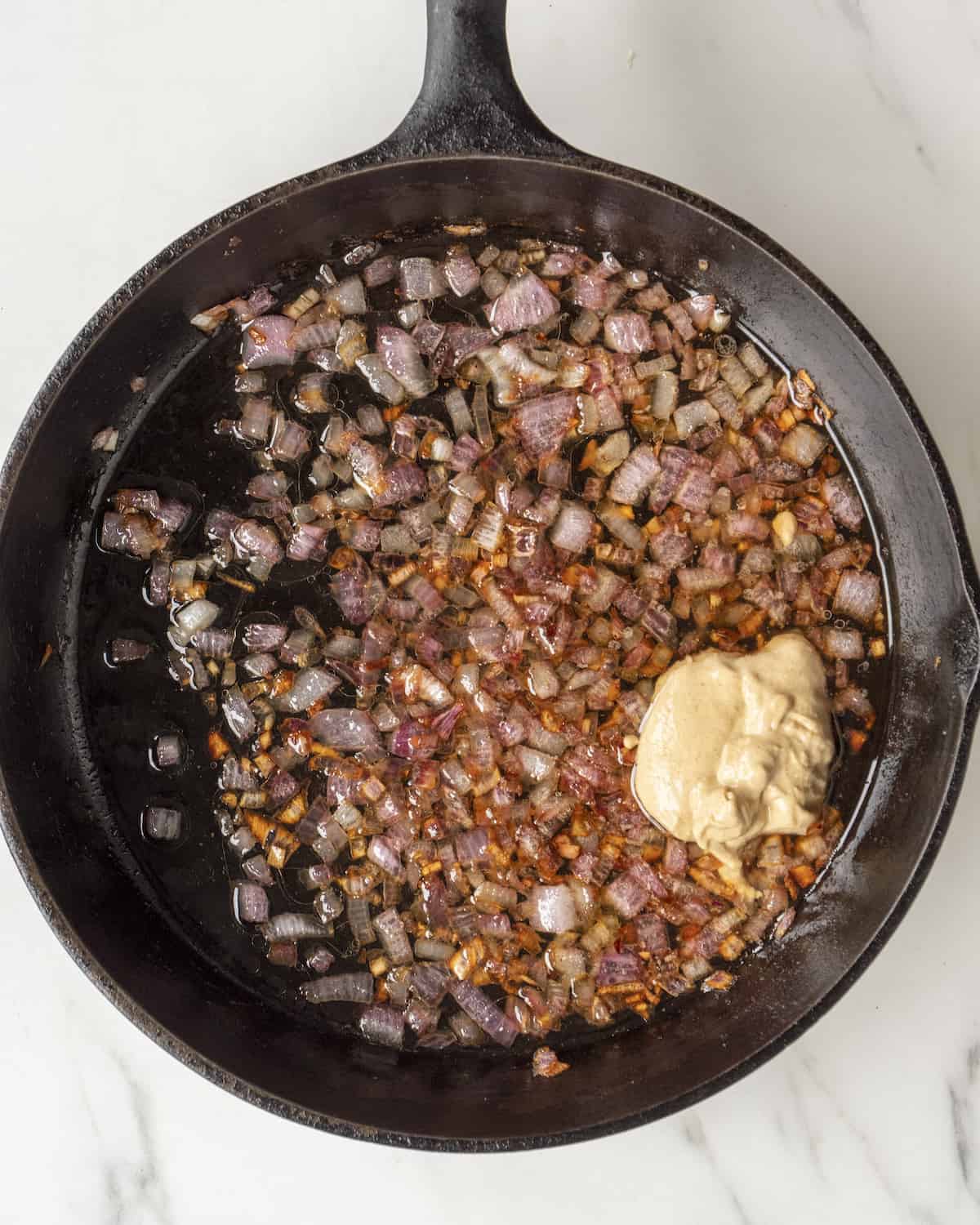
Step 3: To the pancetta grease, add the diced onion and cook until caramelized. Then add the vinegar and mustard.
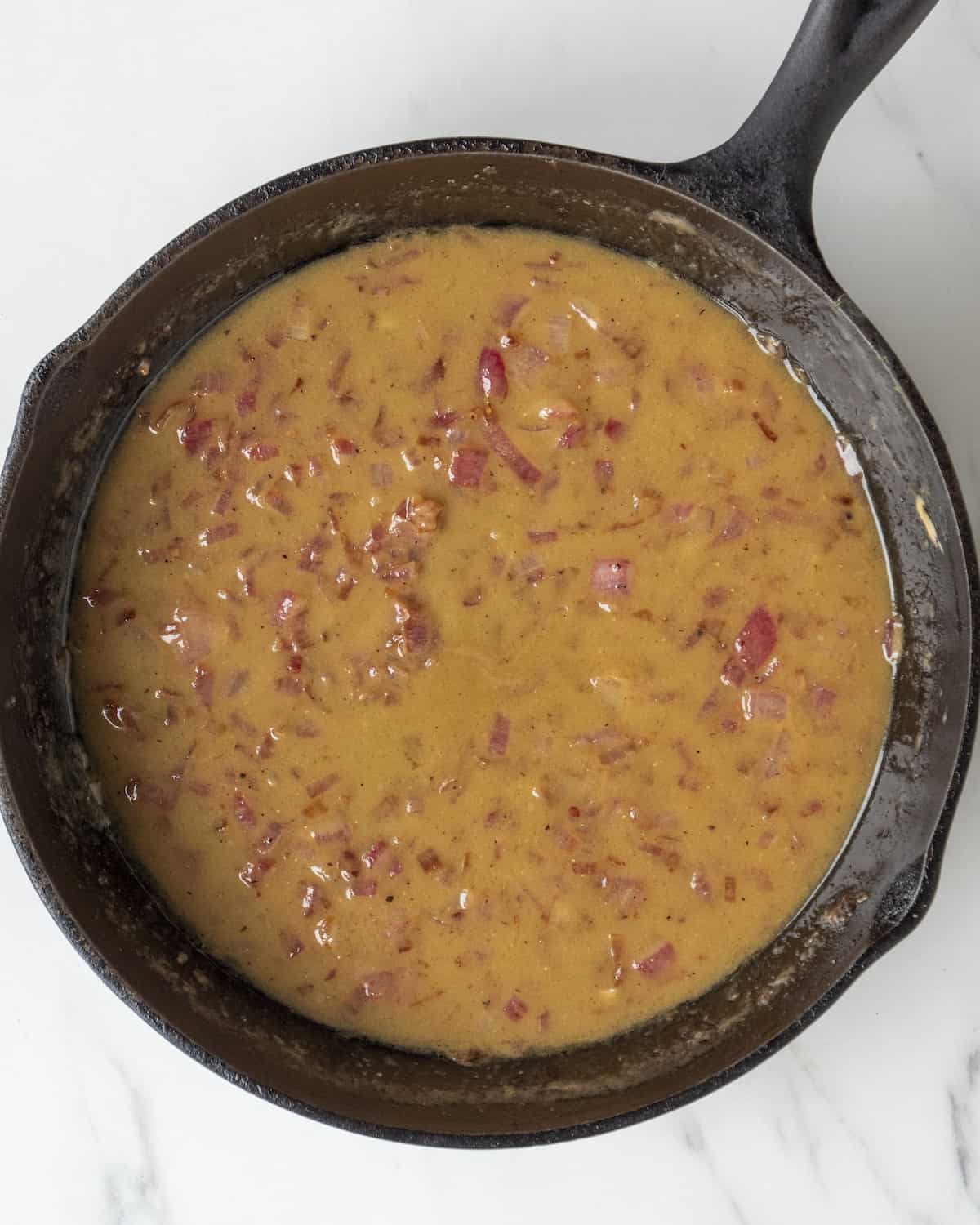
Step 4: Cook the vinegar and mustard for 2 minutes. Then turn off the heat and whisk in the oil.
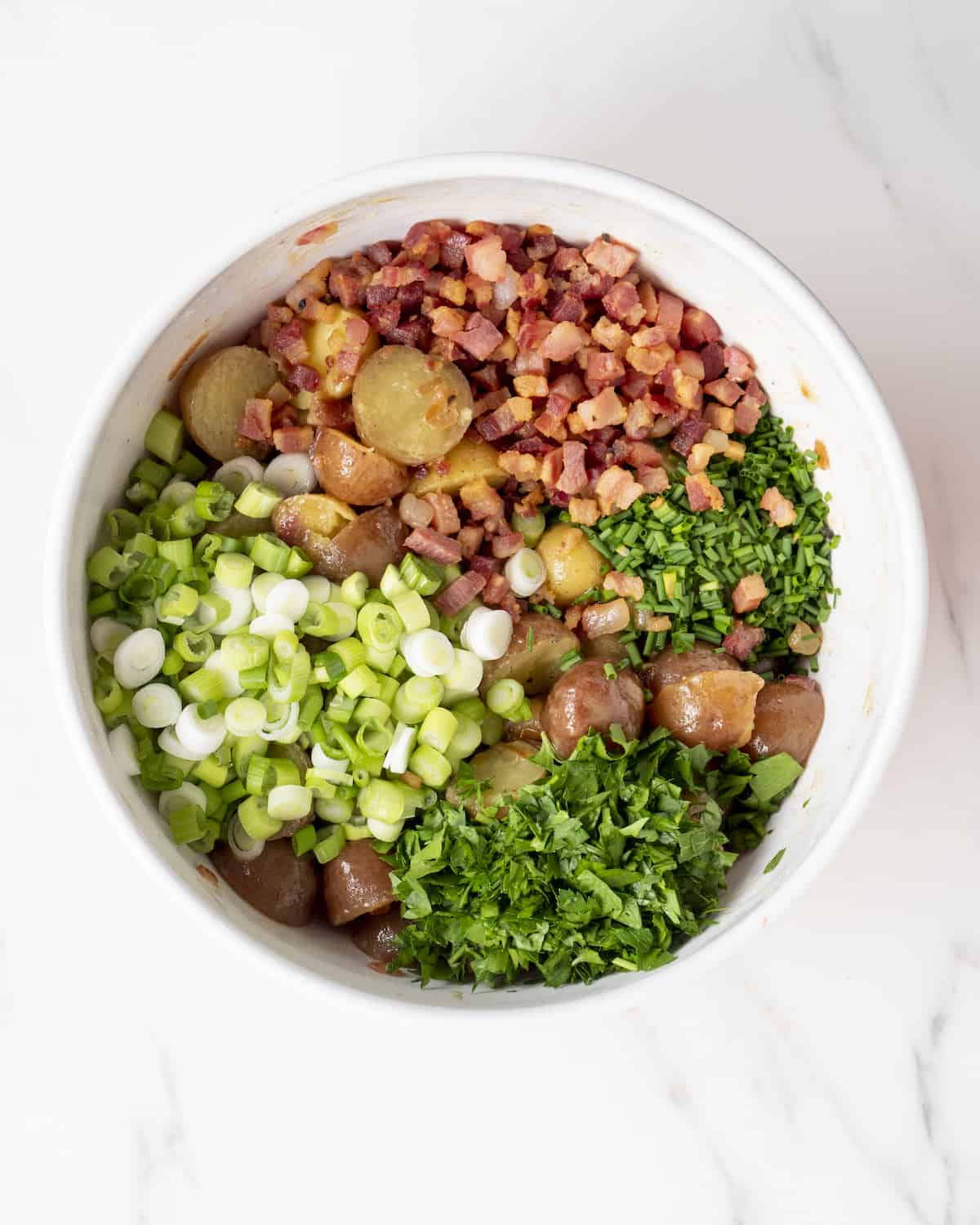
Step 5: Add the crispy pancetta, chives, parsley, and scallions to the potatoes.
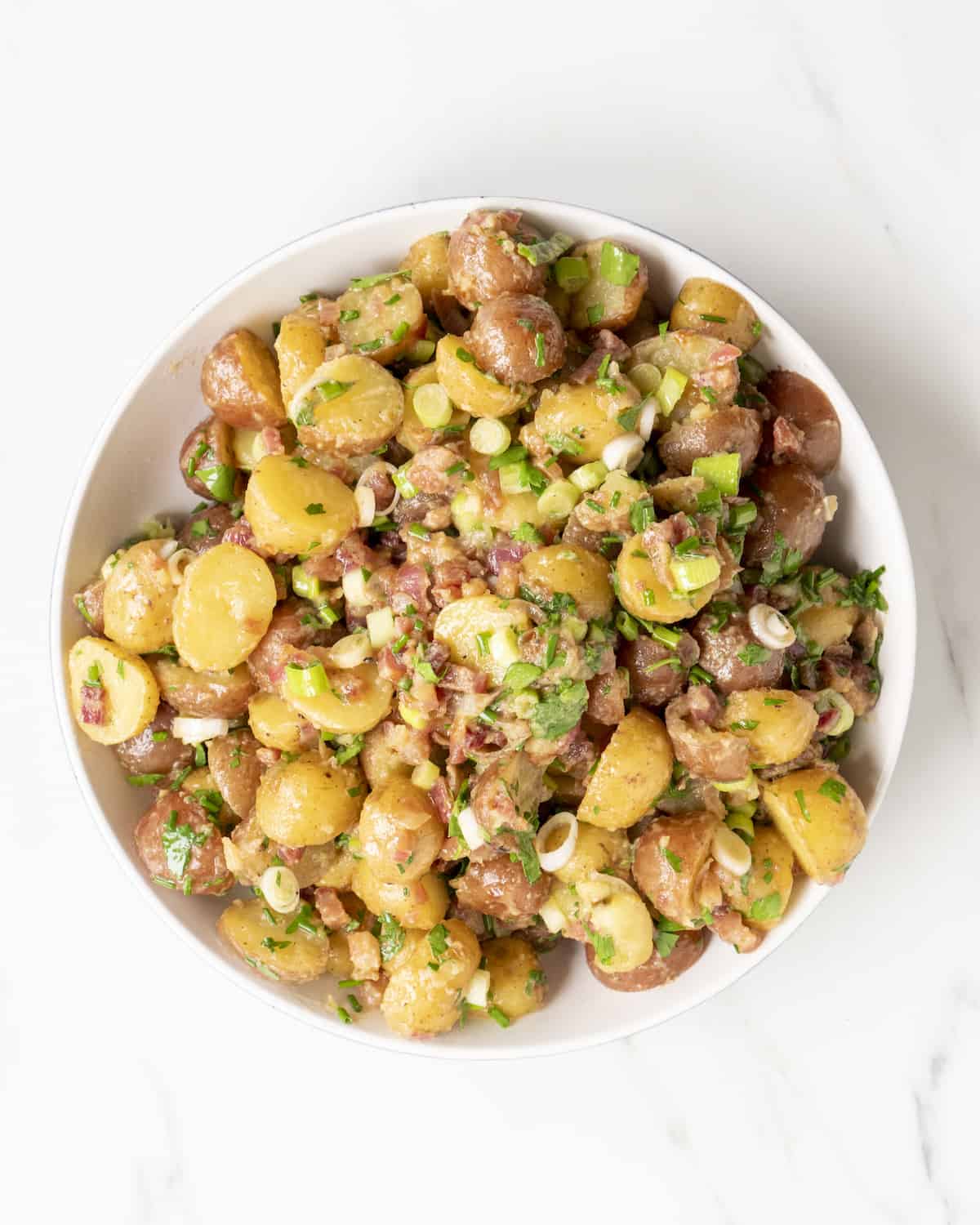
Step 6: Pour the warm dressing over the potatoes and gently toss to coat.
🥔🥓🌿 Tips & Tricks for the Best German Potato Salad
My Omi's 100-year-old recipe that will convert every mayo potato salad person at the table.
- Dress the potatoes while they are still steaming hot. Warm potatoes are porous and actively absorb the vinaigrette as they cool, coating them from the inside out. Cold potatoes have already sealed up and will only ever be coated on the surface, which tastes flat by comparison.
- Start the potatoes in cold salted water, then bring everything to a boil together. Dropping potatoes into already-boiling water shocks the exterior and turns the outside mushy before the center is cooked through. A cold start ensures an even, gradual cook all the way to the middle.
- Cut the potatoes before boiling, not after. Halving or quartering the baby potatoes increases the cut surface area, which means more vinaigrette absorption and a faster, more even cook time. Whole potatoes take much longer and absorb far less dressing.
- Salt the cooking water aggressively, as if you are cooking pasta. Potatoes are starchy and bland at their core. Seasoning the water is the only opportunity to season them from the inside. The dressing alone applied after the fact cannot compensate for under-seasoned potatoes.
- Cook the pancetta low and slow until fully crisp before removing it from the pan. Properly rendered pancetta releases enough fat to build the dressing base and delivers a crispy texture that holds up once tossed with the warm potatoes. Underdone pancetta turns chewy and greasy when it hits the warm salad.
- Build the dressing directly in the pancetta drippings while the pan is still warm. The residual pancetta fat emulsifies with the vinegar and mustard and carries all the smoky, savory flavor into every bite of the salad. Discarding the drippings throws away the most flavorful ingredient in the pan.
- Caramelize the red onion fully in the pancetta fat before adding the vinegar. Raw onion has a sharp bite that dominates the dressing. Cooking it down in the fat mellows its sulfur compounds and develops a gentle sweetness that balances the acidity of the champagne vinegar.
- Let the vinegar and mustard cook together for the full two minutes before pulling off the heat. Cooking the vinegar briefly drives off some of the harsh raw acidity and lets the mustard bloom into the liquid, which produces a rounder, more cohesive dressing rather than a sharp, one-note one.
- Whisk the olive oil into the pan off the heat, not while it is still on the burner. Whisking oil into a very hot liquid can cause the emulsion to break and the oil to taste heavy and greasy. Pulling the pan off the heat first gives you a stable, glossy vinaigrette.
- Use champagne vinegar and do not swap it for apple cider vinegar. Champagne vinegar has a lighter, more delicate acidity than apple cider vinegar, which can overwhelm the fresh herbs and dressing balance. White wine vinegar is the only acceptable substitute if champagne vinegar is unavailable.
- Add the herbs only after you have poured the dressing over the potatoes. Tossing chives, parsley, and scallions directly into a hot pan wilts and dulls them immediately. Adding them to the dressed potatoes preserves their color, texture, and fresh flavor in the finished salad.
- Serve the salad warm or at room temperature, not straight from the refrigerator. Cold temperatures cause the olive oil in the dressing to congeal and the potatoes to firm up, which mutes the flavor and changes the texture. If making ahead, pull it out at least 20 minutes before serving and give it a gentle toss.
German Potato Salad FAQs
What makes German Potato Salad different?
German Potato Salad is a traditional German side dish built on warm, tender potatoes tossed in a tangy vinaigrette made from champagne vinegar, Dijon mustard, and olive oil, with crispy pancetta and a generous load of fresh herbs. Unlike American potato salad, it contains zero mayonnaise, which makes it bright, acidic, and safe to leave out at a summer cookout without worry. It is a staple at German dinners alongside dishes like Chicken Schnitzel, and works equally well as a backyard barbecue side for a crowd.
Why do you dress the potatoes while they are still warm?
Warm potatoes are porous and actively absorb the vinaigrette as they cool, so the flavor soaks into the flesh rather than sitting on the surface. Cold potatoes have already contracted and will simply be coated with dressing instead of saturated by it. The difference in final flavor is significant. Drain the potatoes, let the steam settle for about 2 minutes, then pour the warm dressing over them immediately.
Can you substitute bacon for pancetta in this recipe?
Bacon is a direct, easy substitute for pancetta and works very well here. Pancetta has a slightly cleaner pork flavor with less smokiness, but bacon brings that familiar smoky depth that most people love in a potato salad. Dice it small, render it until crisp, and use the rendered fat in place of the pancetta grease to build the dressing in the same pan.
What can you use instead of champagne vinegar?
White wine vinegar is the best substitute for champagne vinegar and can be swapped in a one-to-one ratio. Both are clean, light, and acidic without the harshness of plain white distilled vinegar. Apple cider vinegar will also work in a pinch but adds a faintly fruity note that shifts the flavor profile slightly.
How long does German Potato Salad keep, and can it be served cold?
Stored covered in the refrigerator, it keeps well for 3 to 4 days. This salad is genuinely good warm, at room temperature, or cold straight from the fridge, which makes it one of the more versatile make-ahead sides in a summer rotation. At a cookout, do not leave it sitting out for more than 2 hours. If making it ahead, hold back a small splash of vinegar to brighten it up just before serving.
Do you need to peel the baby potatoes before boiling them?
No peeling is necessary for baby new potatoes. The skins are thin and tender, they hold the potato together during boiling, and they add a bit of texture in the finished salad. Halve or quarter them before boiling so the cut surfaces absorb more of the vinaigrette and the pieces cook through evenly in less time.
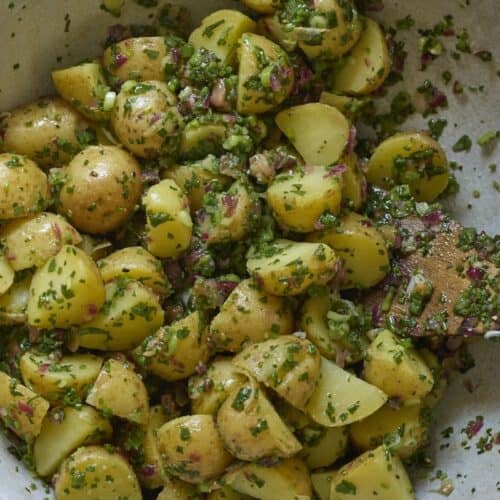
German Potato Salad
Equipment
Ingredients
- 3 pounds baby new potatoes halved or quartered
- 8 ounces pancetta small diced (or bacon)
- 1 large red onion diced
- ¼ cup champagne vinegar
- 1 tablespoon Dijon mustard
- ⅓ cup olive oil
- Salt and freshly ground pepper
- 8 green onions thinly sliced
- 1 bunch chives thinly sliced
- ¼ cup chopped fresh parsley leaves
Instructions
- Place potatoes in a large pot of water and bring to a boil. Cook until fork tender and remove from heat, drain and set aside in a bowl.
- While the potatoes are cooking, place the pancetta in a large skillet over medium-high heat. Fry until browned and crisp, turning as needed. Remove from the pan and set aside.
- Add the diced onion to the pancetta grease, and cook over medium heat until browned.
- Carefully add the vinegar and mustard to the onions and cook for 2 minutes and turn off the heat. Whisk in the oil and season, to taste, with salt and pepper. Add the hot dressing to the potatoes and toss gently to coat. Fold in the pancetta, green onions, chives, and parsley. Season with salt and pepper to taste.
Notes
- Dress the potatoes while they are still steaming hot. Warm potatoes are porous and actively absorb the vinaigrette as they cool, coating them from the inside out. Cold potatoes have already sealed up and will only ever be coated on the surface, which tastes flat by comparison.
- Start the potatoes in cold salted water, then bring everything to a boil together. Dropping potatoes into already-boiling water shocks the exterior and turns the outside mushy before the center is cooked through. A cold start ensures an even, gradual cook all the way to the middle.
- Cut the potatoes before boiling, not after. Halving or quartering the baby potatoes increases the cut surface area, which means more vinaigrette absorption and a faster, more even cook time. Whole potatoes take much longer and absorb far less dressing.
- Salt the cooking water aggressively, as if you are cooking pasta. Potatoes are starchy and bland at their core. Seasoning the water is the only opportunity to season them from the inside. The dressing alone applied after the fact cannot compensate for under-seasoned potatoes.
- Cook the pancetta low and slow until fully crisp before removing it from the pan. Properly rendered pancetta releases enough fat to build the dressing base and delivers a crispy texture that holds up once tossed with the warm potatoes. Underdone pancetta turns chewy and greasy when it hits the warm salad.
- Build the dressing directly in the pancetta drippings while the pan is still warm. The residual pancetta fat emulsifies with the vinegar and mustard and carries all the smoky, savory flavor into every bite of the salad. Discarding the drippings throws away the most flavorful ingredient in the pan.
- Caramelize the red onion fully in the pancetta fat before adding the vinegar. Raw onion has a sharp bite that dominates the dressing. Cooking it down in the fat mellows its sulfur compounds and develops a gentle sweetness that balances the acidity of the champagne vinegar.
- Let the vinegar and mustard cook together for the full two minutes before pulling off the heat. Cooking the vinegar briefly drives off some of the harsh raw acidity and lets the mustard bloom into the liquid, which produces a rounder, more cohesive dressing rather than a sharp, one-note one.
- Whisk the olive oil into the pan off the heat, not while it is still on the burner. Whisking oil into a very hot liquid can cause the emulsion to break and the oil to taste heavy and greasy. Pulling the pan off the heat first gives you a stable, glossy vinaigrette.
- Use champagne vinegar and do not swap it for apple cider vinegar. Champagne vinegar has a lighter, more delicate acidity than apple cider vinegar, which can overwhelm the fresh herbs and dressing balance. White wine vinegar is the only acceptable substitute if champagne vinegar is unavailable.
- Add the herbs only after you have poured the dressing over the potatoes. Tossing chives, parsley, and scallions directly into a hot pan wilts and dulls them immediately. Adding them to the dressed potatoes preserves their color, texture, and fresh flavor in the finished salad.
- Serve the salad warm or at room temperature, not straight from the refrigerator. Cold temperatures cause the olive oil in the dressing to congeal and the potatoes to firm up, which mutes the flavor and changes the texture. If making ahead, pull it out at least 20 minutes before serving and give it a gentle toss.
Nutrition Information (estimated)
Photo by Matt Armendariz / Food Styling by Adam Pearson / Recipe from What’s Gaby Cooking



Hi Gaby -- one guest mentioned the amount of vinegar and olive oil. Should the olive oil be 3/4 cup or 1/3 cup? Also do you use the entire green onion or only the white part? I LOVE every recipe I have tried and can't wait to keep cooking/baking with you!
recipe is correct as printed in the post! and I use the entire green onion
Love this dish! Can you make this the day before?
sure can!
that sounds so tasty, i have not made the German Potato Salad yet, but i sure will. thank you for sharing
Can’t wait to try this! I prefer vinaigrette based potato salads too!
Just want to double check...the recipe call for 3/4 cup of champagne vinegar, and only a 1/4 cup olive oil? Is that correct, or should they be reversed? Usually there’s more oil than vinegar in a vinaigrette.
Thank you!!!
def a typo!! fixed
These are very very good! I made these for a German-themed potluck and the German hostess gave them two thumbs up!
Honestly the best German potato salad recipe I’ve tried! My Swiss/German husband, loved it, too!
THRILLED!!!
We made this as part of our Father’s Day dinner and LOVED it! Made it exactly as written. Thanks!
Just wonderful!
This along with some grilled steak sounds like the perfect outdoor summer dinner to me!
Delicious with a vinaigrette! So much better than creamy salads!
most of us do not put bacon in our potato salads here in germany.
That's fair!! My omi does so I'm just going with her recipe which I love
This looks amazing! I’m going to be making this at my sister’s and she’s vegan . What can I add instead of bacon to give it a kick? Thank you!
more herbs!! or soy-rizo
My family devoured this at our Fourth of July gathering. Accidentally forgot to add the olive oil to the dressing so just drizzled a bit over the top and it was delicious. Just as yummy hot as it is cold the next day!
German Potato Salad (lovingly referred to as GPS by my family) was the only one on the table at a Weber family function. Growing up in AL, none of my friends understood. I love the addition of parsley to your recipe. My grandmother's vinaigrette (which always used bacon because... AL), added celery seed. Try it sometime. You will not be disappointed!
Made for dinner last night with grilled pork tenderloin. My husband said, “Please don’t lose this recipe”!